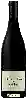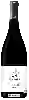
Domaine Las MariquitasLa Nine Vieilles Vignes
 Red wine
In the mouth this red wine is a powerful with a nice balance between acidity and tannins.
This wine generally goes well with beef, veal or pasta.
Taste structure of the La Nine Vieilles Vignes from the Domaine Las Mariquitas
Light | Bold | |
Smooth | Tannic | |
Dry | Sweet | |
Soft | Acidic |
In the mouth the La Nine Vieilles Vignes of Domaine Las Mariquitas in the region of Languedoc-Roussillon is a powerful with a nice balance between acidity and tannins.
Food and wine pairings with La Nine Vieilles Vignes
Pairings that work perfectly with La Nine Vieilles Vignes



Original food and wine pairings with La Nine Vieilles Vignes
The La Nine Vieilles Vignes of Domaine Las Mariquitas matches generally quite well with dishes of beef, pasta or veal such as recipes of chicken, beef and lamb couscous (morocco), simple chinese noodle soup or venison bourguignon.
Details and technical informations about Domaine Las Mariquitas's La Nine Vieilles Vignes.
Discover the grape variety: Ravat 34
Jean-François Ravat, in his published writings, has never given the names of the parents of this wine grape. For some, it comes from an interspecific cross between Chardonnay and Vitis Berlandieri. It can be found in North America and Canada, but is virtually unknown in France.
Informations about the Domaine Las Mariquitas
The Domaine Las Mariquitas is one of of the world's greatest estates. It offers 4 wines for sale in the of Côtes du Roussillon to come and discover on site or to buy online.

The wine region of Côtes du Roussillon
Côtes du Roussillon is an appellation contrôlée for red, white and rosé wines from the Roussillon wine region in southern France. It covers the eastern half of the administrative district of the Pyrénées-Orientales, on the eastern edge of the Pyrenees. The western half of the Pyrenees-Orientales is simply too mountainous for effective viticulture. In the Côtes du Roussillon wine-growing area is the Aspres sub-region.
The wine region of Languedoc-Roussillon
Languedoc (formerly Coteaux du Languedoc) is a key appellation used in the Languedoc-Roussillon wine region of southern France. It covers Dry table wines of all three colors (red, white and rosé) from the entire region, but leaves Sweet and Sparkling wines to other more specialized appellations. About 75% of all Languedoc wines are red, with the remaining 25% split roughly down the middle between whites and rosés. The appellation covers most of the Languedoc region and almost a third of all the vineyards in France.
The word of the wine: Muscat blanc à petits grains
A white grape variety cultivated since antiquity on the shores of the Mediterranean, it is considered the noblest of the muscats. It is mainly used to make sweet wines, often from mutage. In France, it is the sole variety used in many natural sweet wines: muscat-de-frontignan, muscat-de-mireval, muscat-de-lunel, muscat-de-saint-jean-de-minervois, muscat-de-beaumes-de-venise, muscat-du-cap-corse. Combined with Muscat d'Alexandrie, it gives Muscat-de-Rivesaltes. It is also used to make sparkling white wines (clairette-de-die; moscato d'asti and asti spumante in Italy) and dry wines (alsace-muscat). Powerfully aromatic and complex, its wines evoke fresh grapes, roses, exotic fruits, citrus fruits and spices.