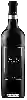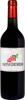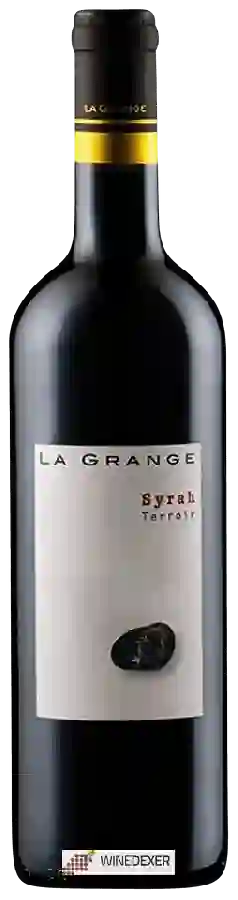
Domaine La GrangeTerroir Syrah
 Red wine



In the mouth this red wine is a powerful with a nice balance between acidity and tannins.
This wine generally goes well with beef, veal or pasta.

Taste structure of the Terroir Syrah from the Domaine La Grange
Light | Bold | |
Smooth | Tannic | |
Dry | Sweet | |
Soft | Acidic |
In the mouth the Terroir Syrah of Domaine La Grange in the region of Pays d'Oc is a powerful with a nice balance between acidity and tannins.
Food and wine pairings with Terroir Syrah
Pairings that work perfectly with Terroir Syrah



Original food and wine pairings with Terroir Syrah
The Terroir Syrah of Domaine La Grange matches generally quite well with dishes of beef, pasta or veal such as recipes of chili con carne, pasta with broccoli or tunisian pasta.
Details and technical informations about Domaine La Grange's Terroir Syrah.
Discover the grape variety: Rufete
Supple, fruity reds with a clear ruby colour, silky tannins and airy palate with preserved acidity, showing signature aromas of red fruits (cherry, raspberry, strawberry), gentle spices and fresh floral notes. Elegant mountain profile for early drinking. Star of the Sierra de Salamanca DO, a typical expression of the north-west Iberian Peninsula, also present in Beira Interior and the Portuguese Douro. Native Iberian black variety from Salamanca.
Last vintages of this wine
The best vintages of Terroir Syrah from Domaine La Grange are 2012, 2016, 2015, 2014
Informations about the Domaine La Grange
The Domaine La Grange is one of of the world's greatest estates. It offers 33 wines for sale in the of Pays d'Oc to come and discover on site or to buy online.

The wine region of Pays d'Oc
The single-grape IGP par excellence: modern, accessible, frank and fruity wines, the popular signature of the Midi. Spicy Syrah reds (pepper, blackberry), round Merlot, structured Cabernet, generous Grenache, supple Cinsault. Crisp, tangy rosés. Opulent Chardonnay whites, lively Sauvignon, floral, apricoty Viognier.
The word of the wine: Reasoned (agriculture)
Conventional agriculture but concerned with limiting synthetic treatments as much as possible.