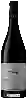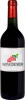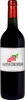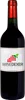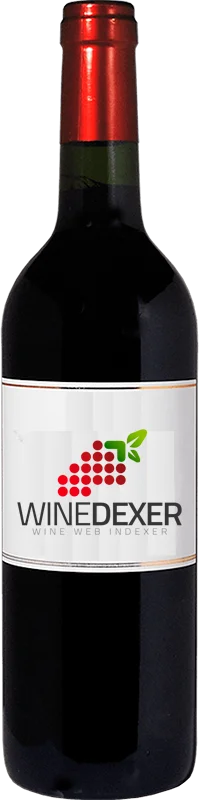
Domaine de la BastideRouge
 Red wine


This wine generally goes well with beef, game (deer, venison) or lamb.

Food and wine pairings with Rouge
Pairings that work perfectly with Rouge



Original food and wine pairings with Rouge


The Rouge of Domaine de la Bastide matches generally quite well with dishes of beef, lamb or game (deer, venison) such as recipes of spaghetti squash bolognese style, pastasotto pepper merguez (risotto style pasta) or rabbit with leeks.
Details and technical informations about Domaine de la Bastide's Rouge.
Discover the grape variety: Merlot
Round and fleshy reds with a velvety texture, showing aromas of ripe plum, black cherry, cocoa and truffle notes with age. Supple tannins, generous alcohol, indulgent finish. Pillar of Libournais (Pomerol with Pétrus, Saint-Émilion with Cheval Blanc and Ausone) and signature of Super Tuscans, Italian Wales and Washington State. A cross of Cabernet Franc × Magdeleine Noire, France's most planted red variety.
Last vintages of this wine
The best vintages of Rouge from Domaine de la Bastide are 2016, 2015
Informations about the Domaine de la Bastide
The Domaine de la Bastide is one of of the world's great estates. It offers 17 wines for sale in the of Pays d'Oc to come and discover on site or to buy online.

The wine region of Pays d'Oc
The single-grape IGP par excellence: modern, accessible, frank and fruity wines, the popular signature of the Midi. Spicy Syrah reds (pepper, blackberry), round Merlot, structured Cabernet, generous Grenache, supple Cinsault. Crisp, tangy rosés. Opulent Chardonnay whites, lively Sauvignon, floral, apricoty Viognier.
The word of the wine: AOC
Appellation d'origine contrôlée. The most prestigious category of French wines created in the 1930s on the basis of quality criteria defined by a geographical delimitation, a chosen grape variety and precise production rules.