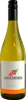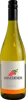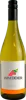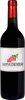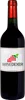
Domaine KayagatakeAdagio di Uenoyama Muscat Bailey A - Merlot
 Red wine
This wine generally goes well with beef and game (deer, venison).
Food and wine pairings with Adagio di Uenoyama Muscat Bailey A - Merlot
Pairings that work perfectly with Adagio di Uenoyama Muscat Bailey A - Merlot


Original food and wine pairings with Adagio di Uenoyama Muscat Bailey A - Merlot
The Adagio di Uenoyama Muscat Bailey A - Merlot of Domaine Kayagatake matches generally quite well with dishes of beef or game (deer, venison) such as recipes of beef luc lake or duck legs with green olives.
Details and technical informations about Domaine Kayagatake's Adagio di Uenoyama Muscat Bailey A - Merlot.
Discover the grape variety: Merlot
Merlot noir is a grape variety that originated in France (Bordeaux). It produces a variety of grape specially used for wine making. It is rare to find this grape to eat on our tables. This variety of grape is characterized by small to medium sized bunches, and medium sized grapes. Merlot noir can be found in many vineyards: South West, Languedoc & Roussillon, Cognac, Bordeaux, Loire Valley, Armagnac, Burgundy, Jura, Champagne, Rhone Valley, Beaujolais, Provence & Corsica, Savoie & Bugey.
Informations about the Domaine Kayagatake
The Domaine Kayagatake is one of of the world's greatest estates. It offers 3 wines for sale in the of Yamanashi-ken to come and discover on site or to buy online.

The wine region of Yamanashi-ken
Yamanashi is the first Japanese Geographical Indication (GI) for wine. Established in 2013, it is situated in the prefecture of the same name. Yamanashi is promoted as the birthplace of Japanese wine production. The most prominent Grape varieties grown here are the indigenous vitis vinefera white grape variety Koshu, and the Japanese-bred pale red Hybrid Muscat Bailey A.
The word of the wine: Reassembly
During the vinification process, a "cap" is formed at the top of the vats with the solid parts (skin, pulp, pips, etc.), which contain tannins and colouring elements. Pumping over consists of emptying the vat from the bottom and pouring the juice back to the top, in order to mix the cap and the juice and to favour the exchange and the extraction. This old technique allows a better exchange between the solid parts and the liquid.