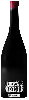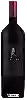
Winery GaydaChemin de Moscou Réflexion
 Red wine


In the mouth this red wine is a powerful with a nice balance between acidity and tannins.
This wine generally goes well with beef, veal or pasta.

Taste structure of the Chemin de Moscou Réflexion from the Winery Gayda
Light | Bold | |
Smooth | Tannic | |
Dry | Sweet | |
Soft | Acidic |
In the mouth the Chemin de Moscou Réflexion of Winery Gayda in the region of Pays d'Oc is a powerful with a nice balance between acidity and tannins.
Food and wine pairings with Chemin de Moscou Réflexion
Pairings that work perfectly with Chemin de Moscou Réflexion



Original food and wine pairings with Chemin de Moscou Réflexion
The Chemin de Moscou Réflexion of Winery Gayda matches generally quite well with dishes of beef, pasta or veal such as recipes of pastasciutta (corsica), pasta with scamorza and pancetta cheese or flank steak with shallots in red wine sauce.
Details and technical informations about Winery Gayda's Chemin de Moscou Réflexion.
Discover the grape variety: Perdéa
Simple, fresh dry whites with a pale golden colour, a supple palate with moderate acidity, and understated aromas of citrus and white flowers. Discreet rustic profile. Nearly extinct, preserved in INRAE varietal collections for its heritage value, it reflects the pre-phylloxera ampelographic diversity of the South-West. A rare French white grape variety once cultivated in the South-West.
Last vintages of this wine
The best vintages of Chemin de Moscou Réflexion from Winery Gayda are 2016, 2014
Informations about the Winery Gayda
The Winery Gayda is one of of the world's great estates. It offers 52 wines for sale in the of Pays d'Oc to come and discover on site or to buy online.

The wine region of Pays d'Oc
The single-grape IGP par excellence: modern, accessible, frank and fruity wines, the popular signature of the Midi. Spicy Syrah reds (pepper, blackberry), round Merlot, structured Cabernet, generous Grenache, supple Cinsault. Crisp, tangy rosés. Opulent Chardonnay whites, lively Sauvignon, floral, apricoty Viognier.
The word of the wine: Alcoholic fermentation
Transformation of sugars into alcohol under the effect of yeast. These yeasts exist in their natural state in the vineyards and in the cellars. Artificial seeding with selected yeasts is however very often practiced.