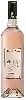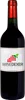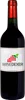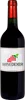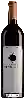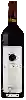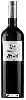
Domaine du Clos d'AlariCuvée Ubu
 Red wine
This wine generally goes well with beef, lamb or mature and hard cheese.
Food and wine pairings with Cuvée Ubu
Pairings that work perfectly with Cuvée Ubu



Original food and wine pairings with Cuvée Ubu

The Cuvée Ubu of Domaine du Clos d'Alari matches generally quite well with dishes of beef, lamb or spicy food such as recipes of kamounia : tunisian beef stew, traditional lamb couscous (from algeria) or spicy chicken and mustard pie.
Details and technical informations about Domaine du Clos d'Alari's Cuvée Ubu.
Discover the grape variety: Panse précoce
Most certainly finding its first origins in southern Provence, registered in the Official Catalogue of table grape varieties list A1. According to genetic analyses published in Montpellier (Hérault), it is the result of a cross between the bicane and the pascal blanc. It should not be confused with the foster' white grown in Italy and wrongly called panse précoce. Finally, it can also be confused with the Panse de Provence, which has downy-pubescent leaves and ripens in the second half of the year.
Informations about the Domaine du Clos d'Alari
The Domaine du Clos d'Alari is one of of the world's great estates. It offers 20 wines for sale in the of Provence to come and discover on site or to buy online.

The wine region of Provence
Provence is a wine region in the far southeast of France, best known for the quality (and quantity) of its rosé wines and for its Warm, mild Climate. The modernization that is taking place in many of the traditional wine regions of southern France has not yet taken place to the same extent in Provence, but there are Clear signs of change. The region's Grape varieties, in particular, have come under scrutiny in recent decades. Traditional varieties such as Carignan, Barbaroux (Barbarossa from Sardinia) and Calitor are being replaced by more commercially viable varieties such as Grenache, Syrah and even Cabernet Sauvignon.
The word of the wine: Tanin
A natural compound contained in the skin of the grape, the seed or the woody part of the bunch, the stalk. The maceration of red wines allows the extraction of tannins, which give the texture, the solidity and also the mellowness when the tannins are "ripe". The winemaker seeks above all to extract the tannins from the skin, the ripest and most noble. The tannins of the seed or stalk, which are "greener", especially in average years, give the wine hardness and astringency. The wines of Bordeaux (based on Cabernet and Merlot) are full of tannins, those of Burgundy much less so, with Pinot Noir containing little.