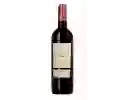
Domaine du Bois de SimonLes Cambes
 Red wine



This wine is a blend of 2 varietals which are the Tannat and the Merlot.
This wine generally goes well with beef and game (deer, venison).

Food and wine pairings with Les Cambes
Pairings that work perfectly with Les Cambes


Original food and wine pairings with Les Cambes
The Les Cambes of Domaine du Bois de Simon matches generally quite well with dishes of beef or game (deer, venison) such as recipes of veal shank with mushrooms or cassoulet with duck confit.
Details and technical informations about Domaine du Bois de Simon's Les Cambes.
Discover the grape variety: Tannat
Powerful, tannic reds with inky colour and dense texture, with aromas of blackberry, blackcurrant, black plum, leather, liquorice and smoky notes. Very high ageing potential and polyphenol content (health reputation). Star of Madiran AOC in Béarn and the national grape of Uruguay (Canelones, Maldonado). Also grown in Irouléguy and Tursan. Late-ripening red variety from south-west France.
Last vintages of this wine
The best vintages of Les Cambes from Domaine du Bois de Simon are 2014, 0
Informations about the Domaine du Bois de Simon
The Domaine du Bois de Simon is one of of the world's greatest estates. It offers 22 wines for sale in the of South West to come and discover on site or to buy online.

The wine region of South West
French mosaic of strong identities south of Bordeaux. Cahors and its Malbec ("black wine"): deep reds with notes of blackberry, plum, violet, tobacco and cocoa, firm tannins. Madiran and its dense, age-worthy Tannat. Jurançon whites: golden sweet (apricot, honey, pineapple) and lively dry from Petit Manseng.
The word of the wine: Reassembly
During the vinification process, a "cap" is formed at the top of the vats with the solid parts (skin, pulp, pips, etc.), which contain tannins and colouring elements. Pumping over consists of emptying the vat from the bottom and pouring the juice back to the top, in order to mix the cap and the juice and to favour the exchange and the extraction. This old technique allows a better exchange between the solid parts and the liquid.