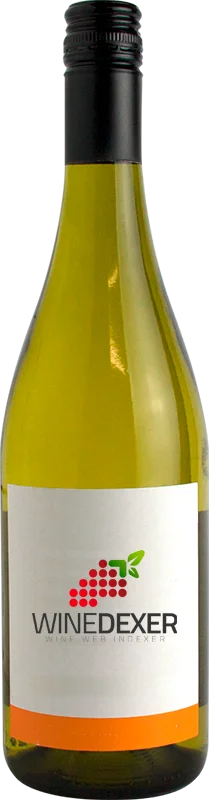
Domaine des NoesChardonnay
 White wine


This wine generally goes well with pork, vegetarian or poultry.
Food and wine pairings with Chardonnay
Pairings that work perfectly with Chardonnay



Original food and wine pairings with Chardonnay

The Chardonnay of Domaine des Noes matches generally quite well with dishes of pork, rich fish (salmon, tuna etc) or vegetarian such as recipes of alsatian sauerkraut, hard-boiled eggs and gourmet muffins or cream and tuna quiche.
Details and technical informations about Domaine des Noes's Chardonnay.
Discover the grape variety: Chardonnay
The white Chardonnay is a grape variety that originated in France (Burgundy). It produces a variety of grape specially used for wine making. It is rare to find this grape to eat on our tables. This variety of grape is characterized by small bunches, and small grapes. White Chardonnay can be found in many vineyards: South West, Burgundy, Jura, Languedoc & Roussillon, Cognac, Bordeaux, Beaujolais, Savoie & Bugey, Loire Valley, Champagne, Rhone Valley, Armagnac, Lorraine, Alsace, Provence & Corsica.
Last vintages of this wine
The best vintages of Chardonnay from Domaine des Noes are 2012, 0
Informations about the Domaine des Noes
The Domaine des Noes is one of of the world's greatest estates. It offers 7 wines for sale in the of Val de Loire to come and discover on site or to buy online.

The wine region of Val de Loire
Val de Loire is a regional PGI title, covering wines produced in an area that roughly corresponds to the Val de Loire wine region in northern France. The PGI catchment area covers 14 departments and is one of the largest in France in terms of area. The Terroir is extremely varied throughout the Loire Valley region. Wines produced under the PGI title have as much style as the AOC appellations of the Loire.
The word of the wine: Generic
A term that can have several meanings, but often designates a branded wine as opposed to a wine from a vineyard or château, sometimes abused to designate regional appellations (e.g. Bordeaux, Burgundy, etc.).