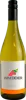
Domaine des Forges - BranchereauSavennières
 White wine


In the mouth this white wine is a with a nice freshness.
This wine generally goes well with vegetarian, poultry or rich fish (salmon, tuna etc).

Taste structure of the Savennières from the Domaine des Forges - Branchereau
Light | Bold | |
Dry | Sweet | |
Soft | Acidic |
In the mouth the Savennières of Domaine des Forges - Branchereau in the region of Loire Valley is a with a nice freshness.
Food and wine pairings with Savennières
Pairings that work perfectly with Savennières



Original food and wine pairings with Savennières

The Savennières of Domaine des Forges - Branchereau matches generally quite well with dishes of vegetarian, poultry or rich fish (salmon, tuna etc) such as recipes of vegan leek and tofu quiche, old-fashioned turkey fillets or baked whole salmon.
Details and technical informations about Domaine des Forges - Branchereau's Savennières.
Discover the grape variety: Chenin blanc
Chameleon whites with taut acidity, ranging from mineral dry (Savennières, Vouvray sec) to off-dry and medium-sweet (Vouvray, Montlouis), sumptuous botrytised sweet (Quarts-de-Chaume, Bonnezeaux, Coteaux du Layon) and brilliant sparkling (Crémant de Loire, Vouvray brut). Aromas of quince, apple, honey, white flowers, beeswax and flint. An Anjou variety, also star of South Africa's Western Cape.
Last vintages of this wine
The best vintages of Savennières from Domaine des Forges - Branchereau are 0
Informations about the Domaine des Forges - Branchereau
The Domaine des Forges - Branchereau is one of of the world's great estates. It offers 38 wines for sale in the of Savennières to come and discover on site or to buy online.

The wine region of Savennières
Anjou AOC south-west of Angers on the right bank of the Loire (steep schists facing the river, communes Savennières, Bouchemaine, La Possonniere): Chenin Blanc (Pineau de la Loire) reigns exclusively in dry white — full-bodied and distinctive, pale to golden yellow robe, floral nose of acacia, lime with pear, peach, quince, toasted almond and honey, fresh, dense, precise and mineral palate. Evolves toward honey, warm rock and white truffle. 15 years ageing.
The wine region of Loire Valley
Kingdom of lively, dry whites and fine sparklers. Mineral, taut Sauvignon Blanc (Sancerre, Pouilly-Fumé) with citrus and gunflint notes. Multiform Chenin Blanc (Vouvray, Savennières, Layon): straight dry, floral off-dry or noble sweet honey-quince. Saline, iodised Muscadet (Melon B.
The word of the wine: Left bank
In Bordeaux, refers to the vineyards located on the left bank of the Gironde, where the dominant grape variety is Cabernet Sauvignon. These are the Medoc, Haut-Médoc, Pessac-Leognan, Graves, etc. appellations.