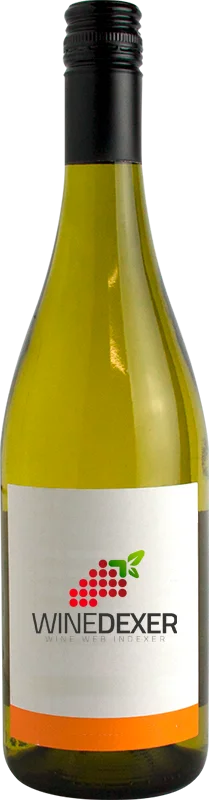
Domaine des AlouettesDuo Passion
 White wine


This wine is a blend of 2 varietals which are the Kerner and the Pinot gris.
This wine generally goes well with rich fish (salmon, tuna etc), shellfish or mature and hard cheese.

Food and wine pairings with Duo Passion
Pairings that work perfectly with Duo Passion



Original food and wine pairings with Duo Passion
The Duo Passion of Domaine des Alouettes matches generally quite well with dishes of rich fish (salmon, tuna etc), shellfish or mature and hard cheese such as recipes of poached salmon in coconut milk with curry, seafood and mushroom quiche or chicken nuggets with cheese.
Details and technical informations about Domaine des Alouettes's Duo Passion.
Discover the grape variety: Kerner
Aromatic, structured whites with lively acidity and a slender mouth, featuring muscat-like aromas of white peach, apricot, white flowers, citrus and Riesling-like notes. Made as nervy dry wines (Trocken), off-dry (Kabinett, Spätlese) and mineral high-altitude cuvées. Grown in Germany (Rheinhessen, Palatinate, Württemberg), northern Italy (Alto Adige in the high Val Venosta valleys) and Japan. A Trollinger × Riesling cross created in 1929 in Weinsberg.
Last vintages of this wine
The best vintages of Duo Passion from Domaine des Alouettes are 0
Informations about the Domaine des Alouettes
The Domaine des Alouettes is one of of the world's greatest estates. It offers 9 wines for sale in the of Genève to come and discover on site or to buy online.

The wine region of Genève
Switzerland's 3rd wine canton, a modern and diverse expression. Fleshy Gamay as the signature red: fruity and crunchy with notes of cherry, raspberry and sweet spices, supple tannins. Fine Pinot Noir (undergrowth, red fruits), spicy, dense Gamaret, deep Garanoir. Whites: historic Chasselas (mineral and floral), ample Chardonnay (pear, brioche), round Pinot Blanc.
The word of the wine: Bitter
Normal for certain young red wines rich in tannin, bitterness is in other cases a defect due to a bacterial disease.




