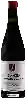
Domaine de Tavernel30 Ans de Bio
 Red wine



In the mouth this red wine is a powerful with a lot of tannins present in the mouth.
This wine generally goes well with poultry, beef or lamb.
The 30 Ans de Bio of the Domaine de Tavernel is in the top 20 of wines of Gard.

Taste structure of the 30 Ans de Bio from the Domaine de Tavernel
Light | Bold | |
Smooth | Tannic | |
Dry | Sweet | |
Soft | Acidic |
In the mouth the 30 Ans de Bio of Domaine de Tavernel in the region of Pays d'Oc is a powerful with a lot of tannins present in the mouth.
Food and wine pairings with 30 Ans de Bio
Pairings that work perfectly with 30 Ans de Bio



Original food and wine pairings with 30 Ans de Bio

The 30 Ans de Bio of Domaine de Tavernel matches generally quite well with dishes of beef, pasta or lamb such as recipes of beef tournedos with boursin, cannelloni with parma ham or royal couscous (lamb, chicken, merguez).
Details and technical informations about Domaine de Tavernel's 30 Ans de Bio.
Discover the grape variety: Galotta
Intensely coloured and structured reds with a deep purple robe, firm tannins and a dense mouthfeel, with aromas of black fruits (blackberry, blackcurrant, plum), cherry, spices and floral notes. A profile between Italian Ancellotta and French Gamay. Grown in Swiss Romandy (Vaud, Valais, Geneva) and Ticino for modern blends and identity cuvées. A Swiss hybrid created in 1981 at Pully by André Jaquinet (Ancellotta × Gamay), valued for its colour and resistance.
Last vintages of this wine
The best vintages of 30 Ans de Bio from Domaine de Tavernel are 2018, 2016, 2017
Informations about the Domaine de Tavernel
The Domaine de Tavernel is one of of the world's greatest estates. It offers 24 wines for sale in the of Gard to come and discover on site or to buy online.

The wine region of Gard
Vast Languedoc IGP between Costières and Camargue (Gard): signature Grenache, Syrah, Carignan, Mourvèdre and Cinsault as reds and rosés — fruity and sun-drenched with cherry, strawberry, raspberry, garrigue, spice and a peppery touch (Camargue gris rosés emblematic on sand). Floral whites from Grenache Blanc, Marsanne, Viognier and Vermentino. IGP, ~25,000 ha across 24 communes, sunny Mediterranean climate, cleansing mistral.
The wine region of Pays d'Oc
The single-grape IGP par excellence: modern, accessible, frank and fruity wines, the popular signature of the Midi. Spicy Syrah reds (pepper, blackberry), round Merlot, structured Cabernet, generous Grenache, supple Cinsault. Crisp, tangy rosés. Opulent Chardonnay whites, lively Sauvignon, floral, apricoty Viognier.
The word of the wine: Size (champagne)
Juices that flow from the press after the cuvée, at the second pressing. Less fine, often more vegetal, it is mainly used to make the first price champagnes.