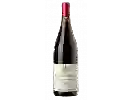
Domaine de Sainte AnneLouis-Henri
 Red wine
This wine generally goes well with poultry, beef or lamb.

Food and wine pairings with Louis-Henri
Pairings that work perfectly with Louis-Henri



Original food and wine pairings with Louis-Henri

The Louis-Henri of Domaine de Sainte Anne matches generally quite well with dishes of beef, lamb or spicy food such as recipes of bernard's potée, blanquette of lamb or chicken with olives in a couscousier.
Details and technical informations about Domaine de Sainte Anne's Louis-Henri.
Discover the grape variety: Cabernet-Sauvignon
Structured, tannic reds, deeply coloured, with aromas of blackcurrant, blackberry, cedar, tobacco and graphite, underpinned by firm acidity and fine ageing potential. Cornerstone of the great Médoc estates (Pauillac, Saint-Estèphe, Saint-Julien) and signature of Napa Valley, Coonawarra and Maipo. The world's most planted red variety, a natural cross of Cabernet Franc x Sauvignon Blanc born in Bordeaux.
Informations about the Domaine de Sainte Anne
The Domaine de Sainte Anne is one of of the world's great estates. It offers 24 wines for sale in the of Loire Valley to come and discover on site or to buy online.

The wine region of Loire Valley
Kingdom of lively, dry whites and fine sparklers. Mineral, taut Sauvignon Blanc (Sancerre, Pouilly-Fumé) with citrus and gunflint notes. Multiform Chenin Blanc (Vouvray, Savennières, Layon): straight dry, floral off-dry or noble sweet honey-quince. Saline, iodised Muscadet (Melon B.
The word of the wine: Long
Wine with persistence in the mouth. This persistence in the mouth of a wine is measured in caudalies.