The Domaine de Luc of Pays d'Oc
The Domaine de Luc is one of the best wineries to follow in Pays d'Oc.. It offers 11 wines for sale in of Pays d'Oc to come and discover on site or to buy online.
Looking for the best Domaine de Luc wines in Pays d'Oc among all the wines in the region? Check out our tops of the best red, white or effervescent Domaine de Luc wines. Also find some food and wine pairings that may be suitable with the wines from this area. Learn more about the region and the Domaine de Luc wines with technical and enological descriptions.
How Domaine de Luc wines pair with each other generally quite well with dishes of beef, pasta or veal such as recipes of fresh sausage, soft and inexpensive pasta gratin or veal paupiettes à la bourguignonne.
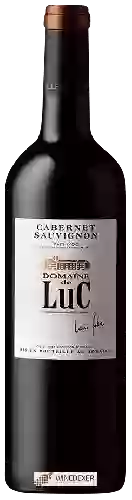
In the mouth the red wine of Domaine de Luc. is a powerful with a nice balance between acidity and tannins.
Pays d'Oc is the PGI for red, white and rosé wines that are produced over a wide area of the southern coast of France. The PGI catchment area corresponds roughly to the Languedoc-roussillon">Languedoc-Roussillon wine region, one of the largest wine regions in France. The area covers all wines that are not produced under the strict laws that govern AOC-level appellations in the regions: among them, Corbières, Minervois and the Languedoc appellation itself. The Pays d'Oc PGI is arguably the most important in France, producing the majority of the country's PGI wines.
Five separate departments fall under the PGI (Hérault, Aude, Gard, Pyrénées-Orientales and six communes in southern Lozère), which is delimited by administrative rather than geographical boundaries. The name therefore covers a wide variety of terrain, from the mountain ranges of the southern Massif Central to the coastal plains of the Camargue crossed by rivers. Vineyards jostle for position in the Garrigue landscape. The Pays d'Oc has a MediterraneanClimate with hot, Dry summers and mild winters.
How Domaine de Luc wines pair with each other generally quite well with dishes of pasta, vegetarian or appetizers and snacks such as recipes of pasta "carbonara" à la française, leek, goat cheese and bacon quiche or shrimp acras.
On the nose the pink wine of Domaine de Luc. often reveals types of flavors of peach, strawberries or raspberry and sometimes also flavors of earth, tree fruit or citrus fruit. In the mouth the pink wine of Domaine de Luc. is a with a nice freshness.
Merlot noir is a grape variety that originated in France (Bordeaux). It produces a variety of grape specially used for wine making. It is rare to find this grape to eat on our tables. This variety of grape is characterized by small to medium sized bunches, and medium sized grapes. Merlot noir can be found in many vineyards: South West, Languedoc & Roussillon, Cognac, Bordeaux, Loire Valley, Armagnac, Burgundy, Jura, Champagne, Rhone Valley, Beaujolais, Provence & Corsica, Savoie & Bugey.
How Domaine de Luc wines pair with each other generally quite well with dishes of pasta, vegetarian or poultry such as recipes of italian pasta salad, zucchini quiche or chicken ballotine with ham and mushrooms.
On the nose the white wine of Domaine de Luc. often reveals types of flavors of microbio, oak or citrus fruit and sometimes also flavors of citrus, tree fruit or spices. In the mouth the white wine of Domaine de Luc. is a powerful with a nice freshness.
A technique that consists of leaving the grapes to macerate in the open air at a low temperature before fermentation, thus enhancing the aromatic expression of the wine.
Planning a wine route in the of Pays d'Oc? Here are the wineries to visit and the winemakers to meet during your trip in search of wines similar to Domaine de Luc.
The black Tempranillo is a grape variety native to Spain. It produces a variety of grape specially used for the elaboration of wine. It is rare to find this grape to eat on our tables. This variety of grape is characterized by medium-sized bunches and medium-sized grapes. The black Tempranillo can be found in several vineyards: South-West, Languedoc & Roussillon, Cognac, Bordeaux, Rhone valley, Provence & Corsica, Loire valley, Savoie & Bugey, Beaujolais.