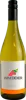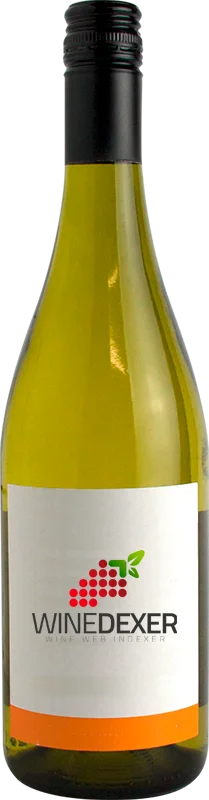
Domaine de l'Etat du ValaisRèze
 White wine


This wine generally goes well with
Details and technical informations about Domaine de l'Etat du Valais's Rèze.
Discover the grape variety: Rèze
Found in Switzerland in the upper Valais where it was used to produce the famous "Vin des glaciers". In France, it is little known except in Savoie and the Jura, although it is listed in the official catalogue of wine grape varieties on the A1 list. According to published genetic analyses, it is the grandmother of five grape varieties, including humagne rouge or petit rouge or cornalin d'Aoste; the mother of grosse arvine and the half-sister of freisa. It is also related to the poulsard, the nosiola, the cascarolo bianco, the groppello di revo, ... for more details click here !
Last vintages of this wine
The best vintages of Rèze from Domaine de l'Etat du Valais are 0
Informations about the Domaine de l'Etat du Valais
The Domaine de l'Etat du Valais is one of of the world's greatest estates. It offers 22 wines for sale in the of Valais to come and discover on site or to buy online.

The wine region of Valais
The Valais is the largest wine region and appellation in Switzerland, responsible for around one third of the country's total wine production. The main Vineyard area covers the southeast-facing slopes of the dramatic Rhône river valley as the glacial waters run southwest between Leuk (Loeche in French) and Fully. The river changes direction at Martigny and then runs northwest to exit the valley and empty into Lac Léman (Lake Geneva). Vineyard area here comes to around 4,800 hectares (11,800 acres) and is generally located on (often steep) slopes and terraces between the flat, fertile, Heavy soils at the bottom of the valley - often given over to fruit production, industry and urban development - and the bare rock of the mountainside that towers above.
The word of the wine: Organoleptic
Elements, such as flavours and tactile sensations, that can stimulate a sensory receptor.