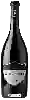
Domaine de la RochelierreLouis-Philippe de la Rochelierre
 Red wine
This wine generally goes well with beef, veal or pasta.

Food and wine pairings with Louis-Philippe de la Rochelierre
Pairings that work perfectly with Louis-Philippe de la Rochelierre



Original food and wine pairings with Louis-Philippe de la Rochelierre
The Louis-Philippe de la Rochelierre of Domaine de la Rochelierre matches generally quite well with dishes of beef, pasta or veal such as recipes of hungarian goulash, salmon cannelloni or homemade marengo veal.
Details and technical informations about Domaine de la Rochelierre's Louis-Philippe de la Rochelierre.
Discover the grape variety: Camaralet
Structured and aromatic whites with pale golden colour, ample mouth with preserved acidity, showing signature aromas of fennel, white pepper, cinnamon, anise and remarkable spicy notes. Singular Béarnais identity profile. Very rare (under 1 ha), often blended with Lauzet and Gros Manseng. Autochthonous French white grape from Béarn (Pyrénées-Atlantiques), also called Camaralet de Lasseube.
Informations about the Domaine de la Rochelierre
The Domaine de la Rochelierre is one of of the world's great estates. It offers 14 wines for sale in the of Pays d'Oc to come and discover on site or to buy online.

The wine region of Pays d'Oc
The single-grape IGP par excellence: modern, accessible, frank and fruity wines, the popular signature of the Midi. Spicy Syrah reds (pepper, blackberry), round Merlot, structured Cabernet, generous Grenache, supple Cinsault. Crisp, tangy rosés. Opulent Chardonnay whites, lively Sauvignon, floral, apricoty Viognier.
The word of the wine: Aging on lees
Maturing on the lees enhances the stability, aromatic complexity and texture of white wines, which gain in body and volume. This phenomenon is induced by autolysis, the process of self-degradation of the lees.