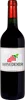
Domaine de la CressonnièreCuvée Mataro Côtes de Provence
 Red wine


This wine generally goes well with beef

Food and wine pairings with Cuvée Mataro Côtes de Provence
Pairings that work perfectly with Cuvée Mataro Côtes de Provence

Original food and wine pairings with Cuvée Mataro Côtes de Provence
The Cuvée Mataro Côtes de Provence of Domaine de la Cressonnière matches generally quite well with dishes of beef such as recipes of braised beef with carrots.
Details and technical informations about Domaine de la Cressonnière's Cuvée Mataro Côtes de Provence.
Discover the grape variety: Mourvèdre
Powerful, deep reds with firm tannins and dense texture, showing aromas of blackberry, leather, garrigue, black pepper, liquorice and animal notes (game, forest floor) with age. Star of Bandol AOC as a single variety and pillar of Châteauneuf-du-Pape, Gigondas and Costières blends. Also in GSM in Languedoc and Australia. A late-ripening variety of Spanish origin (Mataró/Monastrell).
Informations about the Domaine de la Cressonnière
The Domaine de la Cressonnière is one of of the world's greatest estates. It offers 6 wines for sale in the of Côtes de Provence to come and discover on site or to buy online.

The wine region of Côtes de Provence
World reference for pale, elegant rosé: salmon to onion-skin hue, notes of strawberry, pink grapefruit, white peach and flowers, fresh, dry, mineral palate, taut finish. 90% of output, the Provençal signature. Grenache, Cinsault, Syrah and native Tibouren in the blend. A few fleshy Mediterranean reds (Mourvèdre, Syrah) and saline Vermentino whites.
The wine region of Provence
World capital of dry, refined rosé (~90% of production). Pale rose-petal colour, delicate nose of fresh red fruits (strawberry, raspberry, redcurrant), citrus (pink grapefruit), white flowers and a mineral touch, taut and thirst-quenching palate — the Mediterranean aperitif par excellence. Blends of Grenache, Cinsault, Syrah, Tibouren and Mourvèdre. Fleshy Bandol reds from Mourvèdre (leather, garrigue, age-worthy), straight Cassis whites.
The word of the wine: Density per hectare
Number of vines per hectare. For the same yield, a vine planted with 3,000 vines per hectare bears many more bunches (per vine) than a vine planted with 10,000. The grapes will therefore be less rich in sugar and polyphenols (tannins, aromas...).