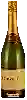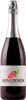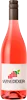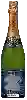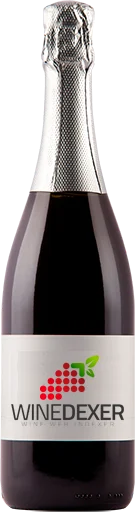
Winery Chevalierl'Ancestrale Muscat Doux
 Sparkling wine


This wine generally goes well with spicy food and sweet desserts.
The l'Ancestrale Muscat Doux of the Winery Chevalier is in the top 30 of wines of Burgundy.

Food and wine pairings with l'Ancestrale Muscat Doux
Pairings that work perfectly with l'Ancestrale Muscat Doux


Original food and wine pairings with l'Ancestrale Muscat Doux
The l'Ancestrale Muscat Doux of Winery Chevalier matches generally quite well with dishes of spicy food or sweet desserts such as recipes of scallops with cream or the coughing cat's apple crumble.
Details and technical informations about Winery Chevalier's l'Ancestrale Muscat Doux.
Discover the grape variety: Domina
Colourful and structured reds with a deep purple colour, firm tannins and a full palate, offering signature aromas of black cherry, plum, liquorice and spicy notes. Also used to add body to blends. Grown in Franconia and the German Palatinate for characterful dry reds. German black variety obtained in 1927 at Geilweilerhof (Portugieser × Pinot Noir), early-ripening and productive.
Informations about the Winery Chevalier
The Winery Chevalier is one of of the world's greatest estates. It offers 18 wines for sale in the of Burgundy to come and discover on site or to buy online.

The wine region of Burgundy
Absolute reference for great terroir wines: opulent, mineral Chardonnay in whites (chiselled Chablis, buttery Meursault, majestic Montrachet), fine and silky Pinot Noir in reds (full-bodied Gevrey, structured Pommard, delicate Volnay). Exceptional age-worthy wines with complex notes - red fruits, undergrowth, butter, hazelnut. Some lively Aligoté and light Gamay (Mâconnais). 29,500 ha, 84 tiered AOCs (Régionale, Village, 1er Cru, Grand Cru), 1,247 UNESCO Climats.
The word of the wine: Clarity
The state of translucency of a wine. A clear wine is not cloudy (which is a defect).