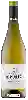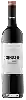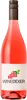
Winery Celler 9+Serra Alta Rosat
 Pink wine
This wine generally goes well with beef, lamb or mature and hard cheese.

Food and wine pairings with Serra Alta Rosat
Pairings that work perfectly with Serra Alta Rosat



Original food and wine pairings with Serra Alta Rosat

The Serra Alta Rosat of Winery Celler 9+ matches generally quite well with dishes of beef, lamb or spicy food such as recipes of american style beef marinade, lamb tagine with prunes or butter chicken or chicken makkhani (india).
Details and technical informations about Winery Celler 9+'s Serra Alta Rosat.
Discover the grape variety: Maturana Tinta
Structured, coloured reds with a deep purple robe, firm tannins and a dense palate with preserved acidity. Signature aromas of black fruits (blackberry, blackcurrant), plum, spices, pepper and balsamic notes from the Rioja. Fine ageing potential. Reintroduced into the Rioja DOCa appellation in 2007, it represents a qualitative diversification of Riojan reds alongside Tempranillo. Native Spanish black grape of La Rioja, recently rediscovered after near extinction.
Informations about the Winery Celler 9+
The Winery Celler 9+ is one of of the world's great estates. It offers 27 wines for sale in the of Tarragona to come and discover on site or to buy online.

The wine region of Tarragona
Catalan DOP (~7,300 ha) on Camp de Tarragona and Ribera d'Ebre, temperate Mediterranean climate. Signature Cava trilogy in lively whites: Macabeo with signature notes of citrus, green apple, white flowers and an almond touch; more structured Xarel·lo (pear, fennel, herbs); delicate floral Parellada. Ull de Llebre (Tempranillo) reds round with notes of ripe cherry and leather, solar Garnatxa, dense Carinyena. Tradition of sweet Tarragona Clàssic.
The wine region of Catalogne
Cradle of Cava (~95% of Spanish output, traditional method): Macabeo, Xarel-lo, Parellada trilogy, fine fruity bubble. Quality peak in Priorat DOCa: dense, mineral reds on llicorella (schist), old-vine Garnacha and Cariñena with black fruit, garrigue notes, firm tannins. Also Penedès, fleshy Montsant, sunny Empordà, Costers del Segre. Mediterranean.
The word of the wine: Drawing
Synonymous with racking.