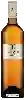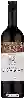
Domaine CadeillacSyrah Rouge
 Red wine
This wine generally goes well with beef, lamb or mature and hard cheese.
Food and wine pairings with Syrah Rouge
Pairings that work perfectly with Syrah Rouge



Original food and wine pairings with Syrah Rouge

The Syrah Rouge of Domaine Cadeillac matches generally quite well with dishes of beef, lamb or spicy food such as recipes of oxtail with seed sauce, lamb tagine with prunes and dried fruits or seafood, chorizo and chicken paella from patou.
Details and technical informations about Domaine Cadeillac's Syrah Rouge.
Discover the grape variety: Macabeu
The white Macabeu is a grape variety originating from Spain. It produces a variety of grape specially used for the elaboration of wine. It is rare to find this grape to eat on our tables. This variety of grape is characterized by large bunches, and grapes of large to medium size. Macabeu Blanc can be found in many vineyards: South West, Cognac, Bordeaux, Languedoc & Roussillon, Rhone Valley, Provence & Corsica, Loire Valley, Savoie & Bugey, Beaujolais.
Informations about the Domaine Cadeillac
The Domaine Cadeillac is one of of the world's great estates. It offers 23 wines for sale in the of Comté Tolosan to come and discover on site or to buy online.

The wine region of Comté Tolosan
Comte Tolosan is a PGI title that covers wines produced in a large area of Southwestern France. The PGI basin encompasses 12 administrative dePartments and is home to a wide range of appellations d'origine contrôlée (AOC) such as Jurançon, Cahors and Armagnac. The IGP label provides a geographical classification for wines that are not classified for AOC level appellations due to Grape variety or winemaking style. The region is part of the Aquitaine basin - the plains that lie between the Pyrenees, the Massif Central and the Atlantic Ocean to the west.
The word of the wine: Draft liquor (champagne)
After blending, the wine is bottled with a liqueur de tirage (a mixture of sugar and wine) and a yeast (selected yeasts). The yeast attacks the sugar and creates carbon dioxide. The fermentation, which lasts about two months, is prolonged by an ageing period (15 months minimum in total). The bottle is capped (some rare vintages are capped with a staple and a cork).