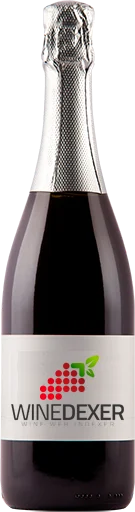
Winery 50 VendemmieGutturnio Classico Superiore
 Sparkling wine


This wine generally goes well with pork, poultry or mild and soft cheese.

Food and wine pairings with Gutturnio Classico Superiore
Pairings that work perfectly with Gutturnio Classico Superiore



Original food and wine pairings with Gutturnio Classico Superiore

The Gutturnio Classico Superiore of Winery 50 Vendemmie matches generally quite well with dishes of pork, spicy food or poultry such as recipes of barbecued filet mignon, homemade pork curry or chicken noodles.
Details and technical informations about Winery 50 Vendemmie's Gutturnio Classico Superiore.
Discover the grape variety: Durella
Lively and structured dry whites with a pale golden robe and green highlights, a lean palate with very high acidity, showing signature aromas of citrus (lemon, grapefruit), green apple, white flowers and volcanic mineral notes. Also as taut and refreshing traditional-method sparkling wines. Star of Lessini Durello DOC, particularly suited to high-altitude sparkling wines. Native white Italian grape from Veneto, grown in the province of Verona on the Monti Lessini.
Last vintages of this wine
The best vintages of Gutturnio Classico Superiore from Winery 50 Vendemmie are 2016, 0, 2018
Informations about the Winery 50 Vendemmie
The Winery 50 Vendemmie is one of of the world's greatest estates. It offers 5 wines for sale in the of Gutturnio to come and discover on site or to buy online.

The wine region of Gutturnio
Historic DOC of the Colli Piacentini (Emilia-Romagna, 1967): signature blend of Barbera (55-70%) and Croatina known as Bonarda (30-45%) in red — bright ruby robe, signature vinous aromas of cherry, red fruits and a floral rose touch, dry or semi-dry palate balancing Barbera's edge with Bonarda's sweetness. Still, signature frizzante or Superiore versions. Northern slope of the Ligurian Apennines, royal pairing with charcuterie and local pasta.
The wine region of Emilia-Romagna
Kingdom of Lambrusco: fresh, fruity sparkling reds (blackberry, cherry, violet), from gourmet dry to convivial off-dry, perfect with local charcuterie. World's best-selling sparkling wine on the Emilia side (Sorbara, Grasparossa, Salamino). East, Romagna: supple fruity Sangiovese, Albana (Italy's 1st white DOCG, 1987) ample and almondy. Also red Gutturnio and white Pignoletto.
The word of the wine: Muscat blanc à petits grains
A white grape variety cultivated since antiquity on the shores of the Mediterranean, it is considered the noblest of the muscats. It is mainly used to make sweet wines, often from mutage. In France, it is the sole variety used in many natural sweet wines: muscat-de-frontignan, muscat-de-mireval, muscat-de-lunel, muscat-de-saint-jean-de-minervois, muscat-de-beaumes-de-venise, muscat-du-cap-corse. Combined with Muscat d'Alexandrie, it gives Muscat-de-Rivesaltes. It is also used to make sparkling white wines (clairette-de-die; moscato d'asti and asti spumante in Italy) and dry wines (alsace-muscat). Powerfully aromatic and complex, its wines evoke fresh grapes, roses, exotic fruits, citrus fruits and spices.