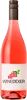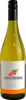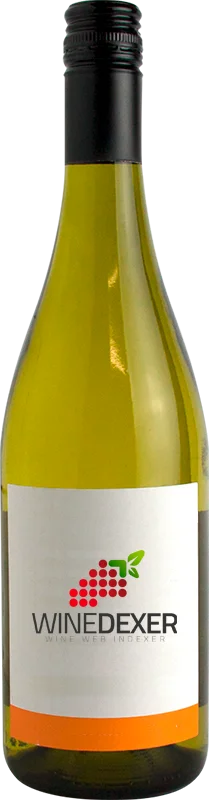
Winery DoblerSauvignon Blanc
 White wine
In the mouth this white wine is a with a nice freshness.
This wine generally goes well with vegetarian, shellfish or goat cheese.

Taste structure of the Sauvignon Blanc from the Winery Dobler
Light | Bold | |
Dry | Sweet | |
Soft | Acidic |
In the mouth the Sauvignon Blanc of Winery Dobler in the region of Württemberg is a with a nice freshness.
Food and wine pairings with Sauvignon Blanc
Pairings that work perfectly with Sauvignon Blanc



Original food and wine pairings with Sauvignon Blanc
The Sauvignon Blanc of Winery Dobler matches generally quite well with dishes of shellfish, vegetarian or goat cheese such as recipes of scallops on a bed of leeks, vegan leek and tofu quiche or rabbit with goat cheese and mint.
Details and technical informations about Winery Dobler's Sauvignon Blanc.
Discover the grape variety: Bobal
Intensely coloured, structured reds with an inky robe and tight tannins, featuring aromas of blackberry, black plum, black cherry, spices, liquorice and balsamic notes. High acidity and good ageing potential in old vines. The absolute star of Utiel-Requena DO (Valencia province) where it is experiencing a marked qualitative revival, also made as typey Clarete rosés and modern ageing cuvées. Also in Manchuela DO and Ribera del Júcar DO. Native Levantine grape.
Informations about the Winery Dobler
The Winery Dobler is one of of the world's great estates. It offers 15 wines for sale in the of Württemberg to come and discover on site or to buy online.

The wine region of Württemberg
Rare predominantly red region in Germany (nearly 70%). Supple, fruity everyday reds: light, crisp Trollinger (Schiava) with red fruits, more structured, spicy, deep Lemberger (Blaufränkisch), generous Schwarzriesling (Pinot Meunier). Riesling king of whites (>2,000 ha), lively and mineral, citrus and green apple. Germany's 4th region (11,500 ha) on the Neckar slopes around Heilbronn and Stuttgart.
The word of the wine: Stirring
In the traditional method, the operation aims to bring the deposits against the cork by the movement of the bottles placed on desks. The stirring can be manual or mechanical (using gyropalettes).