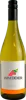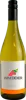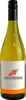
Winery Jean Claude et Didier AubertVieilles Vignes Vouvray
 White wine
This wine generally goes well with pork, poultry or beef.

Food and wine pairings with Vieilles Vignes Vouvray
Pairings that work perfectly with Vieilles Vignes Vouvray



Original food and wine pairings with Vieilles Vignes Vouvray


The Vieilles Vignes Vouvray of Winery Jean Claude et Didier Aubert matches generally quite well with dishes of beef, pork or game (deer, venison) such as recipes of beef tongue with vegetables, pork roll with tomato sauce or wild boar stew.
Details and technical informations about Winery Jean Claude et Didier Aubert's Vieilles Vignes Vouvray.
Discover the grape variety: Cabernet franc
Supple, fragrant reds with fine tannins and vibrant freshness, showing raspberry, violet, green pepper, pencil lead and gentle spice aromas. Star of the Loire as a single variety (Chinon, Bourgueil, Saumur-Champigny) and of the right bank of Bordeaux in blends (Cheval Blanc at 60%). Also in semi-dry Anjou rosés. A historic Bordeaux variety, parent of Cabernet-Sauvignon, Merlot and Carmenère.
Informations about the Winery Jean Claude et Didier Aubert
The Winery Jean Claude et Didier Aubert is one of of the world's great estates. It offers 16 wines for sale in the of Vouvray to come and discover on site or to buy online.

The wine region of Vouvray
100% Chenin Blanc on the tuffeau slopes of Touraine: a unique stylistic palette from sparkling brut to botrytised sweet. Taut, straight dry with notes of green apple, citrus and chalk. Round, honeyed off-dry with ripe fruits. Opulent sweet and luscious wines with aromas of quince, honey and fruit paste from late harvest or noble rot.
The wine region of Loire Valley
Kingdom of lively, dry whites and fine sparklers. Mineral, taut Sauvignon Blanc (Sancerre, Pouilly-Fumé) with citrus and gunflint notes. Multiform Chenin Blanc (Vouvray, Savennières, Layon): straight dry, floral off-dry or noble sweet honey-quince. Saline, iodised Muscadet (Melon B.
The word of the wine: Pruine
A thin, fluffy film that covers the surface of the grape. It makes the berry impermeable and contains the indigenous yeasts necessary for the fermentation of the must.