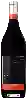
Winery Di RitantinoriMontefalco Rosé
 wine
wine
This wine generally goes well with
The Montefalco Rosé of the Winery Di Ritantinori is in the top 0 of wines of Montefalco.

Details and technical informations about Winery Di Ritantinori's Montefalco Rosé.
Discover the grape variety: Ehrenbreitsteiner
Aromatic and supple whites with a pale golden robe, an airy palate with moderate acidity, signature aromas of yellow fruits (peach, apricot), white flowers and light musky notes. Mainly used for sweet wines. Grown on very small surfaces in Germany, remains niche and preserved for its ampelographic value. German white grape obtained at Geisenheim (Reichensteiner x Kerner), early-ripening and resistant.
Informations about the Winery Di Ritantinori
The Winery Di Ritantinori is one of of the world's greatest estates. It offers 5 wines for sale in the of Montefalco to come and discover on site or to buy online.

The wine region of Montefalco
DOCG of Umbria around the medieval town of Montefalco. Sagrantino as sole autochthonous grape, among the most tannic in the world (record phenolic content). Powerful and austere flagship reds with signature notes of blackberry, black plum, candied black cherry, ink, leather, tobacco, liquorice and oriental spices, massive tannins and dense palate — exceptional aging (15-20 years). Min.
The wine region of Umbria
"Green heart" of Italy, cradle of Sagrantino: exceptional tannic red in Sagrantino di Montefalco DOCG, dense and concentrated with notes of blackberry, candied plum, liquorice, spice and leather, powerful tannins and long ageing. Suppler Sangiovese in blends, Cabernet and Merlot in Torgiano DOCG. Orvieto whites based on Grechetto and Trebbiano, full and almondy, from dry to sweet Muffato. ~13,000 ha between Tuscany and Lazio.
The word of the wine: Shoulder
The upper part of the bottle located at the base of the shoulder-shaped neck.