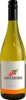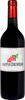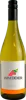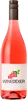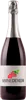
Winery DesomSchwebsange Kolteschberg Grand Premier Cru Riesling
 wine
wine
This wine generally goes well with
The Schwebsange Kolteschberg Grand Premier Cru Riesling of the Winery Desom is in the top 0 of wines of Moselle.

Details and technical informations about Winery Desom's Schwebsange Kolteschberg Grand Premier Cru Riesling.
Discover the grape variety: Souvignier gris
Aromatic, structured whites and rosés with a sometimes salmon-tinged robe, ample palate and fresh acidity, showing aromas of exotic fruits (mango, passion fruit), citrus, peach, white flowers and muscat-like notes. Disease-resistant interspecific variety (mildew, powdery mildew and botrytis), driving organic vineyards in northern Europe: Germany, Switzerland, Netherlands, Belgium and UK. German hybrid created in 1983 in Freiburg (cabernet sauvignon × bronner).
Informations about the Winery Desom
The Winery Desom is one of of the world's great estates. It offers 55 wines for sale in the of Moselle to come and discover on site or to buy online.

The wine region of Moselle
World benchmark for cool-climate German Riesling, on vertiginous blue and grey slate slopes. Pure, precise whites with signature notes of lime, green apple, white peach, white flowers and marked chalky minerality ("gunflint"), low alcohol (~8-10%), taut acidity and crystalline tension. From dry Kabinett to sweet Auslese, up to luscious Beerenauslese, Trockenbeerenauslese and Eiswein. Also Müller-Thurgau and Elbling.
The word of the wine: INAO
National Institute of Origin and Quality. French organization depending on the Ministry of Agriculture and in charge of quality signs: AOC, IGP, labels and organic farming.