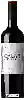
Winery Castillo del DuqueCastillo del Duque Tinto
 Red wine


In the mouth this red wine is a powerful.
This wine generally goes well with poultry, beef or veal.

Taste structure of the Castillo del Duque Tinto from the Winery Castillo del Duque
Light | Bold | |
Smooth | Tannic | |
Dry | Sweet | |
Soft | Acidic |
In the mouth the Castillo del Duque Tinto of Winery Castillo del Duque in the region of Castille is a powerful.
Food and wine pairings with Castillo del Duque Tinto
Pairings that work perfectly with Castillo del Duque Tinto



Original food and wine pairings with Castillo del Duque Tinto

The Castillo del Duque Tinto of Winery Castillo del Duque matches generally quite well with dishes of beef, pasta or veal such as recipes of barbecue burger, pasta with tuna and tomato sauce or veal paupiettes with mushrooms.
Details and technical informations about Winery Castillo del Duque's Castillo del Duque Tinto.
Discover the grape variety: Traminette
Muscat-scented, structured whites with a golden robe, full palate and firm acidity. Intense aromas of rose, lychee, white flowers, yellow fruits (peach, apricot), honey and soft spices reminiscent of Gewürztraminer. Produced as dry, off-dry and sweet styles. Aromatic flagship of the American north-east (Indiana — the state's signature variety —, New York, Ohio, Pennsylvania) and Canada. Hybrid created in 1965 by Cornell University (Joannes Seyve 23.416 × Gewürztraminer).
Last vintages of this wine
The best vintages of Castillo del Duque Tinto from Winery Castillo del Duque are 0
Informations about the Winery Castillo del Duque
The Winery Castillo del Duque is one of of the world's greatest estates. It offers 5 wines for sale in the of Castille to come and discover on site or to buy online.

The wine region of Castille
Cradle of great Castilian reds, high-altitude plateaus (450-1000 m) along the Duero. Tempranillo king (aka Tinta de Toro, Tinto Fino): powerful, concentrated, structured reds with notes of black cherry, plum, leather, tobacco and spice, firm tannins from altitude and cool nights. Stars: Ribera del Duero (Vega Sicilia, Pingus), fleshy Toro, Bierzo (floral, mineral Mencía). Lively, herbaceous Verdejo whites from Rueda.
The word of the wine: Sweet
Generic term for wines containing residual sugar (natural sugars in the grapes that have not been transformed into alcohol). It is also used to describe a wine with a dominantly sweet flavour, without further explanation.