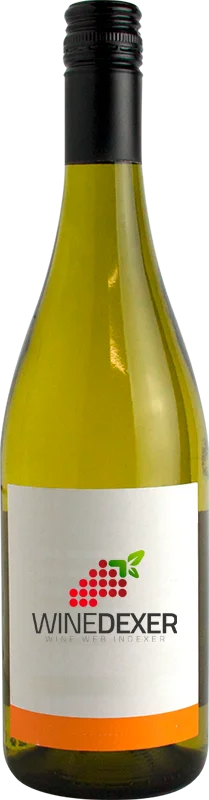
Deakin EstateArtisan's Blend Pinot Grigio
 White wine


In the mouth this white wine is a .
This wine generally goes well with pork, cured meat or mushrooms.

Taste structure of the Artisan's Blend Pinot Grigio from the Deakin Estate
Light | Bold | |
Dry | Sweet | |
Soft | Acidic |
In the mouth the Artisan's Blend Pinot Grigio of Deakin Estate in the region of Victoria is a .
Food and wine pairings with Artisan's Blend Pinot Grigio
Pairings that work perfectly with Artisan's Blend Pinot Grigio



Original food and wine pairings with Artisan's Blend Pinot Grigio

The Artisan's Blend Pinot Grigio of Deakin Estate matches generally quite well with dishes of pork, spicy food or mushrooms such as recipes of sauerkraut (with tips so to do!!!), monkfish armorican style or roast beef in a crust.
Details and technical informations about Deakin Estate's Artisan's Blend Pinot Grigio.
Discover the grape variety: Petit Bouschet
Intensely colored and supple reds with a deep, near-opaque purple robe, light tannins and a dense palate, showing signature aromas of black fruits (blackberry, blackcurrant), plum, spices and vinous notes. Powerful dye-grape profile with red-fleshed pulp. Formerly planted en masse in the South of France to intensify the color of Mediterranean blends. French black teinturier grape obtained in 1824 by Louis Bouschet, aramon × teinturier du Cher, parent of Alicante Bouschet.
Last vintages of this wine
The best vintages of Artisan's Blend Pinot Grigio from Deakin Estate are 0, 2018
Informations about the Deakin Estate
The Deakin Estate is one of of the world's great estates. It offers 34 wines for sale in the of Victoria to come and discover on site or to buy online.

The wine region of Victoria
Australian diversity from cool to temperate climate. Yarra Valley and Mornington: fine, silky Pinot Noir (cherry, raspberry, undergrowth), taut, mineral Chardonnay. Heathcote: structured Shiraz with black fruits, pepper and chocolate. Rutherglen, fortified capital: opulent sweet Topaque and Muscat (raisin, caramel, fig, roast notes).
The word of the wine: Thermoregulation
Control of the vinification temperatures (by circulating hot or cold water on the walls of the vats, for example). This is a major step forward, which in particular helps to preserve the freshness of the aromas threatened by excessive temperature rises during fermentation.