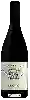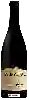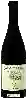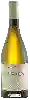
Winery De la Tour de FranceCotes Du Roussillon Villages
 Red wine
In the mouth this red wine is a powerful with a nice balance between acidity and tannins.
This wine generally goes well with beef, veal or pasta.

Taste structure of the Cotes Du Roussillon Villages from the Winery De la Tour de France
Light | Bold | |
Smooth | Tannic | |
Dry | Sweet | |
Soft | Acidic |
In the mouth the Cotes Du Roussillon Villages of Winery De la Tour de France in the region of Languedoc-Roussillon is a powerful with a nice balance between acidity and tannins.
Food and wine pairings with Cotes Du Roussillon Villages
Pairings that work perfectly with Cotes Du Roussillon Villages



Original food and wine pairings with Cotes Du Roussillon Villages
The Cotes Du Roussillon Villages of Winery De la Tour de France matches generally quite well with dishes of beef, pasta or veal such as recipes of polish goulash, pasta with cherry tomatoes or axoa from espelette ( 22nd meeting ).
Details and technical informations about Winery De la Tour de France's Cotes Du Roussillon Villages.
Discover the grape variety: Negramoll
Light and fruity reds with a clear ruby robe, smooth tannins and a supple palate, with signature aromas of red fruits (cherry, raspberry, strawberry), soft spices and floral notes. Also a pillar of modern Madeira (Tinta Negra Mole) — round and candied with dried fruit notes. A component of Canarian reds and a signature of Atlantic island viticulture. Genetically identical to Tinta Negra Mole of Madeira, native black grape of the Canary Islands and Madeira.
Informations about the Winery De la Tour de France
The Winery De la Tour de France is one of of the world's greatest estates. It offers 4 wines for sale in the of Languedoc-Roussillon to come and discover on site or to buy online.

The wine region of Languedoc-Roussillon
Largest single French vineyard, dominated by sunny, generous reds. Spicy Syrah, candied Grenache (ripe fruit, garrigue), structured Carignan, deep Mourvèdre, supple Cinsault. Stars: structured Corbières, Minervois, Faugères, Saint-Chinian; round Côtes-du-Roussillon. Legendary vins doux naturels: Banyuls and Maury (fortified Grenache) with notes of cocoa, fig, prune.
The word of the wine: Ancestral method
A method of making certain sparkling wines such as blanquette de Limoux, sparkling gaillac or clairette de Die, which consists of a second fermentation in the bottle based on natural sugars and yeasts naturally brought by the grapes (unlike the méthode champenoise, which requires the addition of tirage liquor).