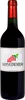
Winery FranzenSpätburgunder
 Red wine
In the mouth this red wine is a with a nice freshness.
This wine generally goes well with poultry, beef or veal.

Taste structure of the Spätburgunder from the Winery Franzen
Light | Bold | |
Smooth | Tannic | |
Dry | Sweet | |
Soft | Acidic |
In the mouth the Spätburgunder of Winery Franzen in the region of Mosel is a with a nice freshness.
Food and wine pairings with Spätburgunder
Pairings that work perfectly with Spätburgunder



Original food and wine pairings with Spätburgunder

The Spätburgunder of Winery Franzen matches generally quite well with dishes of beef, veal or game (deer, venison) such as recipes of beef tongue with vegetables and madeira sauce, duck breast with red fruits or duck breast with orange sauce.
Details and technical informations about Winery Franzen's Spätburgunder.
Discover the grape variety: Louise Swenson
Fresh, fruity whites to drink young, with a pale golden robe, an airy palate with preserved acidity on pear, apple, white flowers and delicate aromas. Elegant profile for a hybrid. Grown in the cold regions of North America and Canada (Minnesota, Québec, Vermont), resists extreme continental viticultural climates. American white hybrid obtained in 1990 by Elmer Swenson in Minnesota.
Informations about the Winery Franzen
The Winery Franzen is one of of the world's great estates. It offers 29 wines for sale in the of Mosel to come and discover on site or to buy online.

The wine region of Mosel
Kingdom of lively, crystalline Riesling: citrus, green apple, gunflint, tangy tension and signature slate minerality. From light, fruity Kabinett to off-dry Spätlese, up to sweet Auslese and Trockenbeerenauslese of rare finesse. Some supple Müller-Thurgau and lively Elbling. Steeply sloped vineyards (up to 65% at the Bremmer Calmont) on blue and grey slate, 5,400 ha of Riesling (61.
The word of the wine: Nose
In tasting, this is the second phase, which consists of identifying the wine's aromas and possibly its defects.