The Winery D: Vine of Mosel
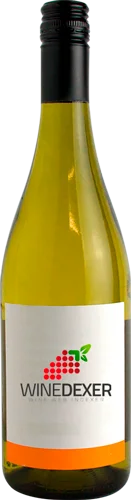
Winery D: Vine
The winery offers 4 different wines
3.3


Note - 1Note - 1Note - 1Note - 0Note - 0
Its wines get an average rating of 3.3.
It is ranked in the top 4375 of the estates of Mosel.
It is located in Mosel

The Winery D: Vine is one of the best wineries to follow in Mosel.. It offers 4 wines for sale in of Mosel to come and discover on site or to buy online.

Top Winery D: Vine wines

Looking for the best Winery D: Vine wines in Mosel among all the wines in the region? Check out our tops of the best red, white or effervescent Winery D: Vine wines. Also find some food and wine pairings that may be suitable with the wines from this area. Learn more about the region and the Winery D: Vine wines with technical and enological descriptions.

The top sweet wines of Winery D: Vine

Food and wine pairings with a sweet wine of Winery D: Vine

How Winery D: Vine wines pair with each other generally quite well with dishes of shellfish, spicy food or poultry such as recipes of risotto of the sea, vegetarian paella or sophie's tuna cake.

Organoleptic analysis of sweet wines of Winery D: Vine

On the nose the sweet wine of Winery D: Vine. often reveals types of flavors of vegetal, citrus fruit or tropical fruit.

The best vintages in the sweet wines of Winery D: Vine

  • 2018With an average score of 3.70/5
  • 0With an average score of 3.42/5
  • 2015With an average score of 3.30/5

The grape varieties most used in the sweet wines of Winery D: Vine.

  • Dornfelder
  • Silvaner
  • Rivaner

Discovering the wine region of Mosel

Mosel is the most famous of Germany's 13 official wine regions, and also the third largest in terms of production. As with many German regions, it is most aasociated with a range of wine styles made from the Riesling grape variety, but Müller-Thurgau is also widely planted. The best Mosel Riesling wines are some of the finest whites in the world. Light and low in Alcohol, they can be intensely fragrant with beguiling Floral">floral and Mineral notes, and a wonderful Balance of sweetness and Acidity.

The region follows the path of the Mosel river from its confluence with the Rhine river near Koblenz, upstream and south-west to Germany's border with Luxembourg and France. This region also includes the Saar and Ruwer tributaries, and was formerly known as Mosel-Saar-Ruwer until August 2007, when the name was officially shortened to Mosel. Some of the famous wine villages along the valley include Bernkastel, Brauneberg, Erden, Graach and Piesport, to name but five. Furthermore, the region boasts some of the finest and most picturesque Vineyards in Europe.

The Romans planted the first vineyards along the Mosel river and the city of Trier around the second century. Today, this region is known for its steep slopes overlooking the rivers, on which the vineyards are planted. Bremmer Calmont, located in the town of Bremm, has an incline of up to 68°. It has often been cited as the steepest vineyard site in the world, though the Engelsfelden vineyard in the Bühler Valley (Bühlertal) in the Baden region is documented at 75°.

The top white wines of Winery D: Vine

Food and wine pairings with a white wine of Winery D: Vine

How Winery D: Vine wines pair with each other generally quite well with dishes of pork, spicy food or mushrooms such as recipes of baked dumplings, tuscan linguine or fish shells.

The best vintages in the white wines of Winery D: Vine

  • 0With an average score of 3.10/5
  • 2015With an average score of 3.00/5

The grape varieties most used in the white wines of Winery D: Vine.

  • Pinot Grigio

Discover the grape variety: Silvaner

Discover other wineries and winemakers neighboring the Winery D: Vine

Planning a wine route in the of Mosel? Here are the wineries to visit and the winemakers to meet during your trip in search of wines similar to Winery D: Vine.

Discover the grape variety: Pinot grigio

Pinot grigio is a grey grape variety mutated from Pinot Noir. It has its origins in Burgundy, where it is called pinot-beurot in reference to the colour of the grey robes worn by the monks of the region. Established in Alsace since the 17th century, pinot grigio was called tokay until 2007. It is made up of bunches of small berries that vary in colour from pink to blue-grey. It is particularly well suited to the continental climate because it is resistant to the cold in winter and to spring frosts. This variety also likes dry limestone soils with plenty of sunshine in the summer. pinot grigio is well suited to late harvesting or to the selection of noble grapes, depending on the year and the concentration of sugars in the berries. Pinot grigio wines are distinguished by their aromatic complexity of white fruits, mushrooms, honey, vanilla, cinnamon, etc., and their great finesse. In the Loire Valley, pinot grigio is used in the Coteaux-d'Ancenis appellations. It gives dry or sweet wines with pear and peach aromas.