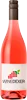
Winery DanubianaFleur de Hussard Rosé
 Pink wine



This wine generally goes well with pork, vegetarian or lean fish.

Food and wine pairings with Fleur de Hussard Rosé
Pairings that work perfectly with Fleur de Hussard Rosé



Original food and wine pairings with Fleur de Hussard Rosé



The Fleur de Hussard Rosé of Winery Danubiana matches generally quite well with dishes of pork, rich fish (salmon, tuna etc) or shellfish such as recipes of stuffed mushrooms, steamed ginger fish (china) or zarzuela mayonapo.
Details and technical informations about Winery Danubiana's Fleur de Hussard Rosé.
Discover the grape variety: Dornfelder
Intensely coloured, fruity reds with a dense purple robe, soft tannins and a generous palate, with aromas of black cherry, blackberry, plum and floral notes. Made as light easy-drinking reds, popular semi-dry cuvées and more structured barrel-aged versions. The second most planted red variety in Germany (Palatinate, Rheinhessen, Württemberg). Cross of helfensteiner × heroldrebe created in 1955 in Weinsberg by August Herold.
Last vintages of this wine
The best vintages of Fleur de Hussard Rosé from Winery Danubiana are 2019, 2018, 0
Informations about the Winery Danubiana
The Winery Danubiana is one of of the world's greatest estates. It offers 34 wines for sale in the of Dél-Pannónia to come and discover on site or to buy online.

The wine region of Dél-Pannónia
Southern Hungary (Pécs, Szekszárd, Villány, Tolna), ~7,800 ha on loess and limestone, continental climate with Mediterranean influences — bastion of great Hungarian reds. Kékfrankos and Kadarka signatures as native red kings: spiced and structured with black cherry, blackberry, plum, paprika, pepper and smoky hint, firm tannins. Ripe Cabernet Franc and Sauvignon in Bordeaux blends at Villány. Specialities Szekszárdi Bikavér and unique Cirfandli white at Pécs (spiced, honeyed).
The word of the wine: Cutting
A blend of wines from different origins (not to be confused with the assemblage).