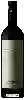
Winery Dante RobinoReserva Bonarda
 Red wine



In the mouth this red wine is a powerful with a nice freshness.
This wine generally goes well with pork, poultry or veal.
Taste structure of the Reserva Bonarda from the Winery Dante Robino
Light | Bold | |
Smooth | Tannic | |
Dry | Sweet | |
Soft | Acidic |
In the mouth the Reserva Bonarda of Winery Dante Robino in the region of Mendoza is a powerful with a nice freshness.
Food and wine pairings with Reserva Bonarda
Pairings that work perfectly with Reserva Bonarda



Original food and wine pairings with Reserva Bonarda

The Reserva Bonarda of Winery Dante Robino matches generally quite well with dishes of veal, pork or game (deer, venison) such as recipes of stuffed quails, nanie's diced ham quiche or saddle of hare jura style.
Details and technical informations about Winery Dante Robino's Reserva Bonarda.
Discover the grape variety: Len de l’El
Len de l'El Blanc is a grape variety that originated in France (Tarn). It produces a variety of grape specially used for wine making. It is rare to find this grape to eat on our tables. This variety of grape is characterized by large bunches of grapes of medium size. The Len de l'El Blanc can be found grown in these vineyards: South West, Cognac, Bordeaux, Armagnac, Rhone Valley, Provence & Corsica.
Last vintages of this wine
The best vintages of Reserva Bonarda from Winery Dante Robino are 2017, 2016, 0
Informations about the Winery Dante Robino
The Winery Dante Robino is one of of the world's great estates. It offers 47 wines for sale in the of Mendoza to come and discover on site or to buy online.

The wine region of Mendoza
Mendoza is by far the largest wine region in Argentina. Located on a high-altitude plateau at the edge of the Andes Mountains, the province is responsible for roughly 70 percent of the country's annual wine production. The French Grape variety Malbec has its New World home in the vineyards of Mendoza, producing red wines of great concentration and intensity. The province Lies on the western edge of Argentina, across the Andes Mountains from Chile.
The word of the wine: Smell
A generic term for both unpleasant and pleasant odours known as perfumes. In the world of tasting, the term aroma is more commonly used.