The Winery Danila Pisano of Dolceacqua of Liguria
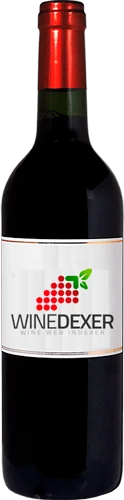
The Winery Danila Pisano is one of the largest wineries in the world. It offers 3 wines for sale in of Dolceacqua to come and discover on site or to buy online.
Looking for the best Winery Danila Pisano wines in Dolceacqua among all the wines in the region? Check out our tops of the best red, white or effervescent Winery Danila Pisano wines. Also find some food and wine pairings that may be suitable with the wines from this area. Learn more about the region and the Winery Danila Pisano wines with technical and enological descriptions.
How Winery Danila Pisano wines pair with each other generally quite well with dishes of beef, pasta or lamb such as recipes of spit-turned boar leg (oven) with "automatic watering"., pasta gratin or lamb mouse confit in wine.
On the nose the red wine of Winery Danila Pisano. often reveals types of flavors of non oak, oak or spices and sometimes also flavors of red fruit, black fruit. In the mouth the red wine of Winery Danila Pisano. is a powerful.
First DOC of Liguria (1972) on the Riviera del Ponente near the French border, vineyards on vertiginous terraces (slopes up to 70%, dry-stone walls "maixei"), 300–600 m on schist, Mediterranean climate. Rossese is king (≥95%, known as Rossese di Dolceacqua): fine and perfumed with notes of red cherry, raspberry, wild strawberry, garrigue and a rosy floral touch, silky tannins and radiant fruit — appreciated by Napoleon. Superiore mention. An airy Ligurian gem.
Planning a wine route in the of Dolceacqua? Here are the wineries to visit and the winemakers to meet during your trip in search of wines similar to Winery Danila Pisano.
Simple, fresh dry whites with a pale golden robe, a supple palate and moderate acidity. Understated aromas of citrus and alpine white flowers. Rustic, productive profile. Preserved for its heritage value in varietal conservatories, it no longer contributes to commercial production. Not to be confused with the Abondant. An ancient native white grape from Savoy, once grown in Savoy and the Isère valley, now nearly extinct.