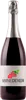
Winery Dal BelloNovello 98 Merlot - Cabernet
 Red wine
This wine is a blend of 2 varietals which are the Cabernet-Sauvignon and the Merlot.
This wine generally goes well with beef, lamb or pasta.
Food and wine pairings with Novello 98 Merlot - Cabernet
Pairings that work perfectly with Novello 98 Merlot - Cabernet



Original food and wine pairings with Novello 98 Merlot - Cabernet
The Novello 98 Merlot - Cabernet of Winery Dal Bello matches generally quite well with dishes of beef, pasta or lamb such as recipes of southern beef meatballs, gratin of coquillettes with ham or semolina-merguez salad.
Details and technical informations about Winery Dal Bello's Novello 98 Merlot - Cabernet.
Discover the grape variety: Cabernet-Sauvignon
Cabernet-Sauvignon noir is a grape variety that originated in France (Bordeaux). It produces a variety of grape specially used for wine making. It is rare to find this grape to eat on our tables. This variety of grape is characterized by small bunches, and small grapes. Cabernet-Sauvignon noir can be found in many vineyards: South-West, Loire Valley, Languedoc & Roussillon, Cognac, Bordeaux, Armagnac, Rhone Valley, Provence & Corsica, Savoie & Bugey, Beaujolais.
Informations about the Winery Dal Bello
The Winery Dal Bello is one of wineries to follow in Pouilles.. It offers 40 wines for sale in the of Puglia to come and discover on site or to buy online.

The wine region of Puglia
Puglia (Apulia to many English speakers) is a Long, slender wine region in the extreme Southeast corner of Italy's "boot". To use the shoe analogy often used to illustrate the shape of Italy, Apulia extends from the tip of the heel to the mid-calf, where the spur of the Gargano Peninsula juts out into the Adriatic Sea. The heel (the Salento peninsula) occupies the southern half of the region and is of great importance for the identity of Puglia. Not only are there cultural and geographical differences from Northern Puglia, but the wines are also different.
The word of the wine: Local wine
Table wine, but with the origin indicated. It corresponds to a particular legislation: the freedom to use grape varieties is greater than for the AOC, but the quality criteria such as the approval tastings can sometimes be more demanding. The legislation is still evolving, but for the moment there are three levels: regional (e.g. Vin de Pays d'Oc), departmental and local (e.g. Côtes de Thongue).