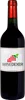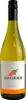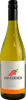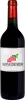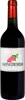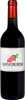
Winery D GalaGrande Escolha
 Red wine


In the mouth this red wine is a powerful with a nice balance between acidity and tannins.
This wine generally goes well with poultry, beef or veal.
Taste structure of the Grande Escolha from the Winery D Gala
Light | Bold | |
Smooth | Tannic | |
Dry | Sweet | |
Soft | Acidic |
In the mouth the Grande Escolha of Winery D Gala in the region of Península de Setúbal is a powerful with a nice balance between acidity and tannins.
Food and wine pairings with Grande Escolha
Pairings that work perfectly with Grande Escolha



Original food and wine pairings with Grande Escolha

The Grande Escolha of Winery D Gala matches generally quite well with dishes of beef, pasta or veal such as recipes of adapted vietnamese fondue, succulent and easy to make beef lasagna or sarthe pot.
Details and technical informations about Winery D Gala's Grande Escolha.
Discover the grape variety: Graisse
Graisse blanc is a grape variety that originated in France (South West). It produces a variety of grape specially used for wine making. It is rare to find this grape to eat on our tables. It should be noted that this grape variety can also be used for the elaboration of eaux de vie. The Graisse blanc can be found cultivated in these vineyards: South-West, Cognac, Bordeaux, Provence & Corsica, Rhone Valley.
Last vintages of this wine
The best vintages of Grande Escolha from Winery D Gala are 2017, 0
Informations about the Winery D Gala
The Winery D Gala is one of of the world's greatest estates. It offers 2 wines for sale in the of Palmela to come and discover on site or to buy online.

The wine region of Palmela
The wine region of Palmela is located in the region of Península de Setúbal of Portugal. Wineries and vineyards like the Domaine Casa Ermelinda Freitas or the Domaine Horácio Simões produce mainly wines red, white and pink. The most planted grape varieties in the region of Palmela are Touriga nacional, Cabernet-Sauvignon and Fernao Pires, they are then used in wines in blends or as a single variety. On the nose of Palmela often reveals types of flavors of citrus, mango or butter and sometimes also flavors of green apple, minerality or apricot.
The wine region of Península de Setúbal
Setúbal Peninsula (also known as Península de Setúbal) is the Portuguese wine region immediately southeast of Lisbon, across the Tejo estuary. The Terroir in the area ranges from sandy coastal plains to the craggy, limestone-rich Serra Arribida hills. The area is known for its Dry red wines made from Castelão, and for its fortified wines and Sweet Moscatel de Setúbal. The wines produced here are made under three titles: two DOCs, Palmela and Setúbal, and one IGP.
The word of the wine: Varietal wine
Name given to the local wine (IGP), produced from a single grape variety that gives the wine its characteristics of structure and aroma. The Languedoc is the leading producer of this type of wine, from most of the major French grape varieties.