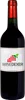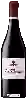
Winery CruzaresCastañeda Tinto
 Red wine


In the mouth this red wine is a powerful with a nice balance between acidity and tannins.
This wine generally goes well with poultry, beef or veal.

Taste structure of the Castañeda Tinto from the Winery Cruzares
Light | Bold | |
Smooth | Tannic | |
Dry | Sweet | |
Soft | Acidic |
In the mouth the Castañeda Tinto of Winery Cruzares in the region of Castille is a powerful with a nice balance between acidity and tannins.
Food and wine pairings with Castañeda Tinto
Pairings that work perfectly with Castañeda Tinto



Original food and wine pairings with Castañeda Tinto

The Castañeda Tinto of Winery Cruzares matches generally quite well with dishes of beef, pasta or veal such as recipes of shepherd's pie (quebec!), makroud or duck breast with red fruits.
Details and technical informations about Winery Cruzares's Castañeda Tinto.
Discover the grape variety: Rhoditis
Fresh, fruity whites and light rosés best enjoyed young, with a pale salmon robe, an airy palate with preserved acidity, and signature aromas of citrus (lemon), green apple, white flowers and herbal notes. Also the traditional base for resinated Retsina. Grown in the Peloponnese, Macedonia and Attica for modern dry Greek whites. Greek autochthonous grey grape with pink skin, one of the most planted varieties in Greece.
Last vintages of this wine
The best vintages of Castañeda Tinto from Winery Cruzares are 0
Informations about the Winery Cruzares
The Winery Cruzares is one of of the world's great estates. It offers 55 wines for sale in the of Castille to come and discover on site or to buy online.

The wine region of Castille
Cradle of great Castilian reds, high-altitude plateaus (450-1000 m) along the Duero. Tempranillo king (aka Tinta de Toro, Tinto Fino): powerful, concentrated, structured reds with notes of black cherry, plum, leather, tobacco and spice, firm tannins from altitude and cool nights. Stars: Ribera del Duero (Vega Sicilia, Pingus), fleshy Toro, Bierzo (floral, mineral Mencía). Lively, herbaceous Verdejo whites from Rueda.
The word of the wine: Legs
Synonymous with tears.