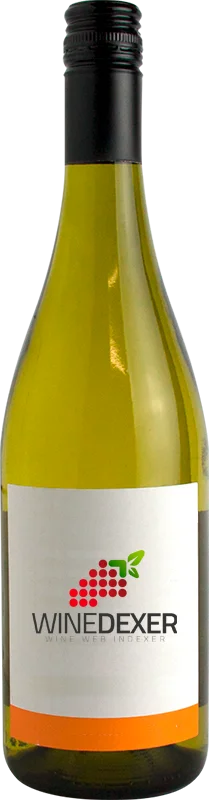
Winery Crama MirceștiFeteasca Regală Sec Alb
 White wine


This wine generally goes well with
Wine flavors and olphactive analysis

On the nose the Feteasca Regală Sec Alb of Winery Crama Mircești in the region of Moldavie often reveals types of flavors of earth, tree fruit.
Details and technical informations about Winery Crama Mircești's Feteasca Regală Sec Alb.
Discover the grape variety: Camaralet de Lasseube
The camaralet of Lasseube has its origins in the Pyrenees, in Bearn. It can be called gentil aromatique, petit camarau or moustardet. Its bunches are of medium size but its berries are small. The berries turn golden yellow when they reach maturity. This grape variety has two approved clones since 1998: 1023 and 1024. It occupies a little less than one hectare in France and is often vinified with other grape varieties such as lauzet and gros manseng. Camaralet de Lasseube is matured about twenty days after Chasselas. Its more or less compact and winged bunches are not affected by grey rot until after maturity. Its female flowers often expose this grape variety to significant risks of coulure, which makes it possible to obtain an alcoholic wine that is full-bodied but fine. Depending on the type, the aromas of the camaralet de Lasseube may recall fennel, pepper or cinnamon.
Last vintages of this wine
The best vintages of Feteasca Regală Sec Alb from Winery Crama Mircești are 0, 2020, 2019
Informations about the Winery Crama Mircești
The Winery Crama Mircești is one of of the world's greatest estates. It offers 11 wines for sale in the of Moldavie to come and discover on site or to buy online.

The wine region of Moldavie
Ancestral vineyard with identity grapes. Fetească Neagră, great Moldovan red reference: deep with notes of ripe plum, black cherry, spice and tobacco, melted tannins. Lighter, more floral Rară Neagră (Băbească). Dense tinctorial Saperavi.
The word of the wine: Maceration
Prolonged contact and exchange between the juice and the grape solids, especially the skin. Not to be confused with the time of fermentation, which follows maceration. The juice becomes loaded with colouring matter and tannins, and acquires aromas. For a rosé, the maceration is short so that the colour does not "rise" too much. For white wines too, a "pellicular maceration" can be practised, which allows the wine to acquire more fat.