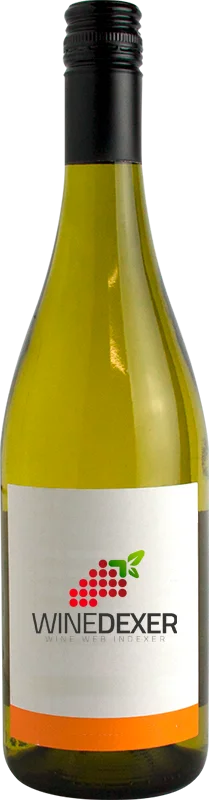
Winery CraigowWhite Blend
 White wine
This wine is a blend of 3 varietals which are the Chardonnay, the Gewurztraminer and the Riesling.
This wine generally goes well with pork, vegetarian or poultry.
Food and wine pairings with White Blend
Pairings that work perfectly with White Blend



Original food and wine pairings with White Blend



The White Blend of Winery Craigow matches generally quite well with dishes of pork, rich fish (salmon, tuna etc) or spicy food such as recipes of zucchini lasagna, pasta with tuna and tomato sauce or marinade for chicken brochettes.
Details and technical informations about Winery Craigow's White Blend.
Discover the grape variety: Chardonnay
The white Chardonnay is a grape variety that originated in France (Burgundy). It produces a variety of grape specially used for wine making. It is rare to find this grape to eat on our tables. This variety of grape is characterized by small bunches, and small grapes. White Chardonnay can be found in many vineyards: South West, Burgundy, Jura, Languedoc & Roussillon, Cognac, Bordeaux, Beaujolais, Savoie & Bugey, Loire Valley, Champagne, Rhone Valley, Armagnac, Lorraine, Alsace, Provence & Corsica.
Informations about the Winery Craigow
The Winery Craigow is one of of the world's greatest estates. It offers 11 wines for sale in the of Tasmanie to come and discover on site or to buy online.

The wine region of Tasmanie
Tasmania is the island state of the island continent and the southernmost state of Australia. It Lies 240 kilometres (150 miles) off the coast of Victoria">Victoria, across Bass Strait - a relatively shallow channel that separates the Great Australian Bight from the Tasman Sea. As in the Yarra Valley and Mornington Peninsula, across Bass Strait in Victoria, the main grape varieties are Pinot noir and Chardonnay, and all three regions are renowned for their Sparkling wines. In general, however, Tasmania's choice of grape varieties is closer to New Zealand's than Australia's, reflecting the cool maritime Climate.
The word of the wine: Closed
A flat wine that does not express its aromas.