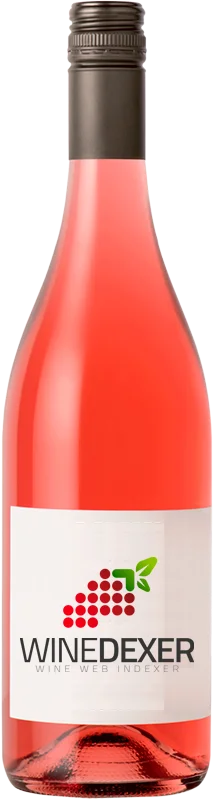
Winery Crafters UnionIn Session Rosé
 Pink wine


This wine generally goes well with

Details and technical informations about Winery Crafters Union's In Session Rosé.
Discover the grape variety: Mtsvane Kakhuri
Structured, aromatic dry whites with a pale golden robe, a broad palate and preserved acidity, with signature aromas of citrus (lemon), white flowers, white-fleshed fruits (peach) and Caucasian mineral notes. Also made as tannic orange wines in qvevri (buried jars) with dried fruit and spice notes. Grown in Kakheti (eastern Georgia), it embodies Georgian viticultural identity and the qvevri heritage. Native Georgian white grape.
Last vintages of this wine
The best vintages of In Session Rosé from Winery Crafters Union are 0, 2019
Informations about the Winery Crafters Union
The Winery Crafters Union is one of of the world's great estates. It offers 15 wines for sale in the of Hawke's Bay to come and discover on site or to buy online.

The wine region of Hawke's Bay
Reference for great New Zealand reds, warm maritime climate (2,200 h of sun). Bordeaux blends on Gimblett Gravels: round, fruity Merlot (plum, ripe cherry), firm Cabernet Sauvignon (blackcurrant, cedar), perfumed Cabernet Franc. Signature northern-Rhône-style Syrah: peppery and floral (violet, blackberry, black olive), fine tannins. Structured, mineral Chardonnay.
The wine region of North Island
New Zealand's North Island, warmer and more varied than the South Island. Bordeaux varieties and Pinot Noir as signatures. Merlot in Hawke's Bay as a supple red with notes of plum, ripe cherry, fresh herbs and a spicy touch, round tannins — blended with Cabernet and peppery Syrah. Fine Pinot Noir in Wairarapa/Martinborough (cherry, undergrowth).
The word of the wine: Roussette
See highness.





