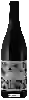
Vignoble CousinGaya
 Red wine


This wine generally goes well with
The Gaya of the Vignoble Cousin is in the top 80 of wines of Vaud.

Details and technical informations about Vignoble Cousin's Gaya.
Discover the grape variety: Monastrell
Powerful, structured reds with an almost black inky hue, firm tannins and a dense palate, with intense aromas of ripe black fruits (blackberry, plum), candied cherry, garrigue, Mediterranean herbs, black pepper, leather, liquorice and animal notes. Fine ageing potential, high-alcohol solar wines. Star of Jumilla DO, Yecla DO, Bullas DO and Alicante DO in south-eastern Spain. Spanish synonym for Mediterranean mourvèdre, identity signature of sunny Spain.
Last vintages of this wine
The best vintages of Gaya from Vignoble Cousin are 2014, 2017, 2015, 2011 and 2018.
Informations about the Vignoble Cousin
The Vignoble Cousin is one of of the world's greatest estates. It offers 16 wines for sale in the of Vaud to come and discover on site or to buy online.

The wine region of Vaud
World reference for Chasselas (~60% of the vineyard). Mineral, delicate whites with signature notes of green apple, citrus, white flowers, fresh almond and a saline touch, low acidity and a silky palate. Maximum expression in Lavaux (UNESCO 2007) on Lake Geneva terraces. Also La Côte, Chablais and the iconic Dézaley.
The word of the wine: Expressive
Said of a wine that is full-bodied and offers well-defined aromas.