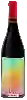
Winery CoturriBordozo Red
 wine
wine
This wine generally goes well with
The Bordozo Red of the Winery Coturri is in the top 0 of wines of Yorkville Highlands.

Details and technical informations about Winery Coturri's Bordozo Red.
Discover the grape variety: Moristel
Supple, fruity reds best drunk young, with a sustained ruby robe, silky tannins and an airy palate with fresh acidity, showing signature aromas of fresh red fruits (cherry, raspberry), soft spices and floral notes. Accessible profile. Often blended with Tempranillo and Garnacha, adding freshness to the reds of Somontano in northern Aragon. Spanish black grape grown in Aragon, mainly in the Somontano DO.
Last vintages of this wine


The best vintages of Bordozo Red from Winery Coturri are 0
Informations about the Winery Coturri
The Winery Coturri is one of of the world's great estates. It offers 43 wines for sale in the of Yorkville Highlands to come and discover on site or to buy online.

The wine region of Yorkville Highlands
Altitude AVA (1998, 40,000 acres) in southern Mendocino between Alexander Valley and Anderson Valley, vineyards above 800 ft: Cabernet Sauvignon dominant, followed by Syrah, Pinot Noir and Merlot (83% reds), promising Sauvignon Blanc. Rocky gravel-rich soils, superior drainage forcing roots deep — small concentrated berries. Marine influence over half the time, morning fogs, intermediate climate between warm Alexander and cool Anderson.
The wine region of California
Powerful, sunny reds: dense Napa Cabernet Sauvignon (blackcurrant, chocolate, tobacco, ample tannins), spicy, jammy Zinfandel from the Sierra Foothills, silky red-fruited Pinot Noir on the cool coast (Sonoma, Russian River, Central Coast). Opulent, buttery Chardonnay, notes of yellow fruit and vanilla. Varied climate, from the hot interior to the Pacific-cooled coast. 80% of US production, 139 AVAs including Napa (1st AVA, 1981).
The word of the wine: Floral
Said of a wine whose aromas are reminiscent of flowers.