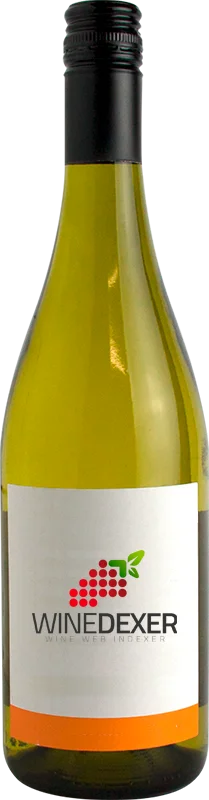
Winery CortenSauvignon Blanc
 White wine
This wine generally goes well with vegetarian, rich fish (salmon, tuna etc) or shellfish.
The Sauvignon Blanc of the Winery Corten is in the top 10 of wines of Cahul.
Food and wine pairings with Sauvignon Blanc
Pairings that work perfectly with Sauvignon Blanc



Original food and wine pairings with Sauvignon Blanc
The Sauvignon Blanc of Winery Corten matches generally quite well with dishes of rich fish (salmon, tuna etc), shellfish or vegetarian such as recipes of grilled mackerel with garlic and herbs, creamy risotto with scallops or quiche without pastry, courgette and blue cheese.
Details and technical informations about Winery Corten's Sauvignon Blanc.
Discover the grape variety: Madeleine angevine O.
This variety was obtained in the 19th century by Christian Oberlin, by crossing the madeleine angevine with the bouquettraube, registered in the Official Catalogue of vine varieties list A1. It should not be confused with the said Madeleine Angevine because its resemblance is strong, at least in its bunches. Today, Madeleine angevine Oberlin is no longer cultivated, it is still only found in a few private homes, usually on trellises. - Synonymy: angevine oberlin, madeleine blonde oberlin (the synonymy of grape varieties, click here!)
Informations about the Winery Corten
The Winery Corten is one of of the world's greatest estates. It offers 9 wines for sale in the of Cahul to come and discover on site or to buy online.

The wine region of Cahul
The wine region of Cahul of Moldova. Wineries and vineyards like the Domaine Acorex Wine Holding or the Domaine Corten produce mainly wines white and red. The most planted grape varieties in the region of Cahul are Cabernet-Sauvignon et Merlot, they are then used in wines in blends or as a single variety. On the nose of Cahul often reveals types of flavors of non oak, earth or oak and sometimes also flavors of spices, red fruit.
The word of the wine: Chaptalization
The addition of sugar at the time of fermentation of the must, an ancient practice, but theorized by Jean-Antoine Chaptal at the dawn of the 19th century. The sugar is transformed into alcohol and allows the natural degree of the wine to be raised in a weak or cold year, or - more questionably - when the winegrower has a harvest that is too large to obtain good maturity.