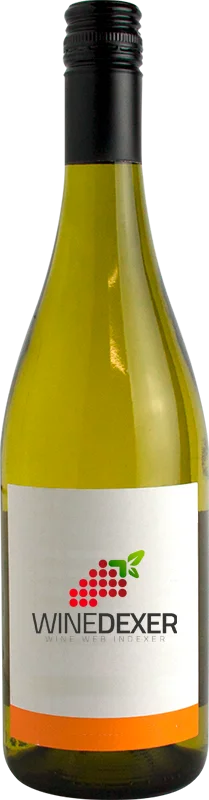
Winery Corga da ChaVinhão Vinho Verde
 White wine


In the mouth this white wine is a with a nice freshness.
This wine generally goes well with vegetarian, appetizers and snacks or shellfish.
Taste structure of the Vinhão Vinho Verde from the Winery Corga da Cha
Light | Bold | |
Dry | Sweet | |
Soft | Acidic |
In the mouth the Vinhão Vinho Verde of Winery Corga da Cha in the region of Minho is a with a nice freshness.
Food and wine pairings with Vinhão Vinho Verde
Pairings that work perfectly with Vinhão Vinho Verde



Original food and wine pairings with Vinhão Vinho Verde
The Vinhão Vinho Verde of Winery Corga da Cha matches generally quite well with dishes of shellfish, vegetarian or appetizers and snacks such as recipes of mussels carbonara, zucchini and goat cheese quiche or christmas boots in knacki.
Details and technical informations about Winery Corga da Cha's Vinhão Vinho Verde.
Discover the grape variety: Fernao Pires
In Portugal, it is one of the most planted white grape varieties, and we have found it to be very similar to the torrontés grown in Spain (Galicia). It can be found in Australia and South Africa, but is almost unknown in France.
Last vintages of this wine
The best vintages of Vinhão Vinho Verde from Winery Corga da Cha are 2011, 0, 2017
Informations about the Winery Corga da Cha
The Winery Corga da Cha is one of of the world's greatest estates. It offers 12 wines for sale in the of Vinho Verde to come and discover on site or to buy online.

The wine region of Vinho Verde
The wine region of Vinho Verde is located in the region of Minho of Portugal. We currently count 535 estates and châteaux in the of Vinho Verde, producing 1615 different wines in conventional, organic and biodynamic agriculture. The wines of Vinho Verde go well with generally quite well with dishes .
The wine region of Minho
Minho is Portugal's Northernmost wine region. It is known for one wine style above all others: crisp, light, white Vinho Verde, whose DOC zone covers the same territory. The Minho name is used for the area's Vinho Regional designation (similar to the French IGP). The latter's looser production laws allow more diversity in the average winery's portfolio, including red and rosé wines.
The word of the wine: Chaptalization
The addition of sugar at the time of fermentation of the must, an ancient practice, but theorized by Jean-Antoine Chaptal at the dawn of the 19th century. The sugar is transformed into alcohol and allows the natural degree of the wine to be raised in a weak or cold year, or - more questionably - when the winegrower has a harvest that is too large to obtain good maturity.