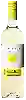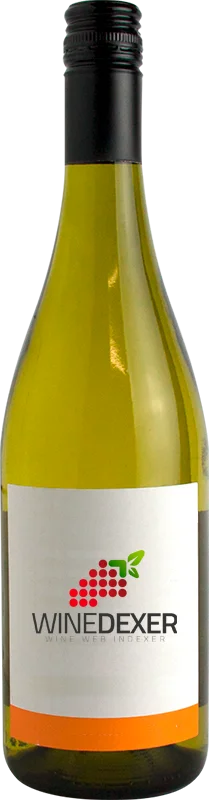
Bodegas CopabocaFuenteamor Sauvignon Blanc - Malvasía
 White wine



This wine generally goes well with vegetarian, rich fish (salmon, tuna etc) or shellfish.
Food and wine pairings with Fuenteamor Sauvignon Blanc - Malvasía
Pairings that work perfectly with Fuenteamor Sauvignon Blanc - Malvasía



Original food and wine pairings with Fuenteamor Sauvignon Blanc - Malvasía
The Fuenteamor Sauvignon Blanc - Malvasía of Bodegas Copaboca matches generally quite well with dishes of rich fish (salmon, tuna etc), shellfish or vegetarian such as recipes of rice croquettes with salmon, scallops or broccoli and blue cheese quiche without pastry.
Details and technical informations about Bodegas Copaboca's Fuenteamor Sauvignon Blanc - Malvasía.
Discover the grape variety: Madina
Crossing obtained in 1964 between the cardinal and the sultana, registered in 1989 in the Official Catalogue of table grape varieties list A1.
Last vintages of this wine
The best vintages of Fuenteamor Sauvignon Blanc - Malvasía from Bodegas Copaboca are 2015, 0
Informations about the Bodegas Copaboca
The Bodegas Copaboca is one of of the world's great estates. It offers 65 wines for sale in the of Castille-et-Léon to come and discover on site or to buy online.

The wine region of Castille-et-Léon
Located in the northern half of the Central Iberian plateau, Castilla y León is the largest of Spain's 17 administrative regions, covering about one-fifth of the country's total area. It extends about 350 kilometres (220 miles) from central Spain to the northern coast. Just as wide, it connects the Rioja wine region to the Portuguese border. Red wines reign supreme in Castilla y León, and the Tempranillo grape is undoubtedly the king.
The word of the wine: Film maceration
A technique that consists of leaving the grapes to macerate in the open air at a low temperature before fermentation, thus enhancing the aromatic expression of the wine.