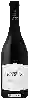
Winery Convento de São JuliãoTinto
 Red wine


In the mouth this red wine is a powerful.
This wine generally goes well with poultry, beef or veal.
Taste structure of the Tinto from the Winery Convento de São Julião
Light | Bold | |
Smooth | Tannic | |
Dry | Sweet | |
Soft | Acidic |
In the mouth the Tinto of Winery Convento de São Julião in the region of Península de Setúbal is a powerful.
Food and wine pairings with Tinto
Pairings that work perfectly with Tinto



Original food and wine pairings with Tinto

The Tinto of Winery Convento de São Julião matches generally quite well with dishes of beef, pasta or veal such as recipes of korean bibimbap, tagliatelle with fresh salmon or roast veal with chanterelles and cream.
Details and technical informations about Winery Convento de São Julião's Tinto.
Discover the grape variety: Carricante
It is most certainly of Italian origin, more precisely from Sicily where it is very present, especially on the slopes of the eastern and southern slopes of Mount Etna. It is thought to be the result of a natural cross between montonico pinto and scacco. It has often been confused with the catarratto even today. Carricante is identified today by two known biotypes, A and B, ... a variety almost unknown in France, but registered in the Official Catalogue of wine grape varieties, list A1.
Last vintages of this wine
The best vintages of Tinto from Winery Convento de São Julião are 2011, 0, 2010
Informations about the Winery Convento de São Julião
The Winery Convento de São Julião is one of of the world's greatest estates. It offers 1 wines for sale in the of Península de Setúbal to come and discover on site or to buy online.

The wine region of Península de Setúbal
Setúbal Peninsula (also known as Península de Setúbal) is the Portuguese wine region immediately southeast of Lisbon, across the Tejo estuary. The Terroir in the area ranges from sandy coastal plains to the craggy, limestone-rich Serra Arribida hills. The area is known for its Dry red wines made from Castelão, and for its fortified wines and Sweet Moscatel de Setúbal. The wines produced here are made under three titles: two DOCs, Palmela and Setúbal, and one IGP.
The word of the wine: Heavy
Said of a thick, rustic wine that lacks finesse.