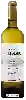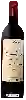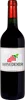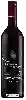
Winery Comte de JanoCuvée Spéciale
 Red wine
This wine generally goes well with beef, veal or pasta.

Food and wine pairings with Cuvée Spéciale
Pairings that work perfectly with Cuvée Spéciale



Original food and wine pairings with Cuvée Spéciale
The Cuvée Spéciale of Winery Comte de Jano matches generally quite well with dishes of beef, pasta or veal such as recipes of oxtail confit in red wine, leek and salmon lasagna or veal chop with mushrooms.
Details and technical informations about Winery Comte de Jano's Cuvée Spéciale.
Discover the grape variety: Corvina
Slender, fresh reds with a clear ruby robe, fine tannins and lively acidity, showing aromas of sour cherry, bitter almond, spice and a characteristically bitter finish. Vinified as light, gulpable reds (Bardolino DOC, Valpolicella DOC), powerful and concentrated through appassimento (Amarone della Valpolicella DOCG) and sweet (Recioto della Valpolicella DOCG). An autochthonous Venetian variety from Lake Garda and the Valpolicella.
Informations about the Winery Comte de Jano
The Winery Comte de Jano is one of wineries to follow in Aude.. It offers 1 wines for sale in the of Aude to come and discover on site or to buy online.

The wine region of Aude
Vast Languedoc IGP covering the entire department: signature Syrah and Grenache as king reds — fruity and sun-drenched with cherry, blackberry, raspberry, garrigue, Mediterranean spices and a peppery touch, supple tannins. Carignan, Mourvèdre, Merlot and Cabernet as backup. Fresh, aromatic whites from Chardonnay, Viognier, Sauvignon and Muscat (citrus, exotic fruits, flowers). Tender rosés.
The wine region of Pays d'Oc
The single-grape IGP par excellence: modern, accessible, frank and fruity wines, the popular signature of the Midi. Spicy Syrah reds (pepper, blackberry), round Merlot, structured Cabernet, generous Grenache, supple Cinsault. Crisp, tangy rosés. Opulent Chardonnay whites, lively Sauvignon, floral, apricoty Viognier.
The word of the wine: Deposit
Solid particles that can naturally coat the bottom of a bottle of wine. It is rather a guarantee that the wine has not been mistreated: in fact, to avoid the natural deposit, rather violent processes of filtration or cold passage (- 7 or - 8 °C) are used in order to precipitate the tartar (the small white crystals that some people confuse with crystallized sugar: just taste to dissuade you from it)