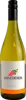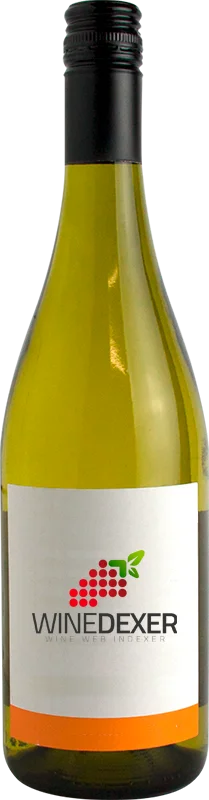
Winery Companhia das LezíriasColheita Tardia
 Sweet wine



This wine generally goes well with

Wine flavors and olphactive analysis

On the nose the Colheita Tardia of Winery Companhia das Lezírias in the region of Tejo often reveals types of flavors of earth, citrus fruit.
Details and technical informations about Winery Companhia das Lezírias's Colheita Tardia.
Discover the grape variety: Vilana
Dry, vivid and fresh whites with a pale golden robe, slender mouthfeel and preserved acidity, with delicate aromas of citrus (lemon, grapefruit), green apple, pear, white flowers, Mediterranean herbs and saline mineral notes. Thirst-quenching profile and aromatic finesse. Star of Peza PDO in central Crete (Heraklion), often blended with Vidiano and Thrapsathiri. An autochthonous Greek Cretan variety, signature of easy-drinking island whites and the viticultural revival of Crete.
Last vintages of this wine
The best vintages of Colheita Tardia from Winery Companhia das Lezírias are 2013, 2008, 0
Informations about the Winery Companhia das Lezírias
The Winery Companhia das Lezírias is one of of the world's great estates. It offers 49 wines for sale in the of Ribatejo to come and discover on site or to buy online.

The wine region of Ribatejo
Wine region of central-western Portugal on the banks of the Tagus (renamed Tejo), ~10% of national production. Fernão Pires signature in white: aromatic and accessible with signature notes of peach, citrus, white flowers, Mediterranean herbs and a honeyed touch, round and fruity palate — the must-have. Reds Tinta Roriz (Tempranillo) supple, fruity Castelão, spicy Trincadeira, dense Touriga Nacional (blackberry, violet). Everyday wines at gentle prices.
The wine region of Tejo
West-central Portuguese region along the Tagus, formerly Ribatejo, 17,000 ha. Supple, fruity reds with signature notes of plum, cherry, Mediterranean herbs and sweet spices, round tannins and a generous palate - fleshy everyday wines. Flagship Castelão (blackberry, tobacco), concentrated Trincadeira, perfumed Touriga Nacional (violet, black fruits), spicy Tinta Roriz. Whites: floral Fernão Pires and lively citrusy Arinto.
The word of the wine: Cryo-extraction
This technique was very popular at the end of the 80's in Sauternes, a little less so now. The grapes are frozen before pressing, and the water transformed into ice remains in the marc, only the sugar flows out. As with the concentrators, the "cryo" can also increase bad taste and greenness.