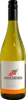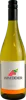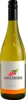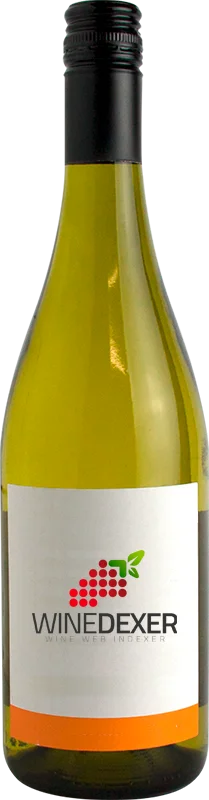
Domaine de ColonatLes Granits Viognier
 White wine
This wine generally goes well with pork, poultry or game (deer, venison).
Food and wine pairings with Les Granits Viognier
Pairings that work perfectly with Les Granits Viognier



Original food and wine pairings with Les Granits Viognier



The Les Granits Viognier of Domaine de Colonat matches generally quite well with dishes of pork, game (deer, venison) or shellfish such as recipes of rabbit stew the old fashioned way, duck legs with honey and orange or cuttlefish a la plancha.
Details and technical informations about Domaine de Colonat's Les Granits Viognier.
Discover the grape variety: Viognier
White Viognier is a grape variety that originated in France (Rhone Valley). It produces a variety of grape specially used for wine making. It is rare to find this grape to eat on our tables. This variety of grape is characterized by small bunches, and grapes of small size. White Viognier can be found in many vineyards: South West, Languedoc & Roussillon, Cognac, Bordeaux, Rhone Valley, Burgundy, Jura, Champagne, Savoie & Bugey, Provence & Corsica, Loire Valley, Beaujolais.
Informations about the Domaine de Colonat
The Domaine de Colonat is one of of the world's great estates. It offers 21 wines for sale in the of Comtés Rhodaniens to come and discover on site or to buy online.

The wine region of Comtés Rhodaniens
Comtés Rhodaniens is a regional PGI title that covers the red, white and rosé wines of a large area along the Rhône River in Southeastern France. The PGI catchment area includes the wine regions of Savoie and the Northern Rhône, as well as Part of Beaujolais. The PGI is most often used for wines produced in Vineyards outside the boundaries of the many AOC-level appellations: from Vin de Savoie to Côte-Rôtie and Hermitage. The territory of the Rhone Counties covers parts of nine separate departments on the way to the Rhône.
The word of the wine: Away from the eye
See len de l'el.