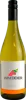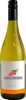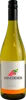
Winery Cocci GrifoniPasserina
 White wine


In the mouth this white wine is a with a nice freshness.
This wine generally goes well with vegetarian, appetizers and snacks or lean fish.

Taste structure of the Passerina from the Winery Cocci Grifoni
Light | Bold | |
Dry | Sweet | |
Soft | Acidic |
In the mouth the Passerina of Winery Cocci Grifoni in the region of Marche is a with a nice freshness.
Food and wine pairings with Passerina
Pairings that work perfectly with Passerina



Original food and wine pairings with Passerina


The Passerina of Winery Cocci Grifoni matches generally quite well with dishes of pasta, vegetarian or appetizers and snacks such as recipes of pasta carbonara almost like the real thing, quiche lorraine or beet hummus dip.
Details and technical informations about Winery Cocci Grifoni's Passerina.
Discover the grape variety: Padeiro
Lively, intensely coloured reds to drink young, with a deep purple colour, present tannins and a taut palate with pronounced acidity, with signature aromas of red fruits (cherry, redcurrant), gentle spices and floral notes. Fresh, northern profile. Often blended with Vinhão and Espadeiro, it contributes to the red Vinho Verde wines of the Minho. Portuguese black variety grown in the Vinho Verde region, especially in the Basto sub-region.
Last vintages of this wine
The best vintages of Passerina from Winery Cocci Grifoni are 2016, 2019, 2018, 2017 and 2014.
Informations about the Winery Cocci Grifoni
The Winery Cocci Grifoni is one of of the world's great estates. It offers 45 wines for sale in the of Marche to come and discover on site or to buy online.

The wine region of Marche
Italian star of Verdicchio: exceptional age-worthy whites, straight and mineral with signature notes of green almond, lemon, green apple, dry herbs and a slightly bitter finish. Two DOCGs: Castelli di Jesi (coastal, airy) and Matelica (inland, more concentrated). Mediterranean reds: fleshy Montepulciano in Rosso Conero near Ancona, supple Sangiovese. Also fresh Pecorino and Passerina.
The word of the wine: Breaking
Accident (oxidation or reduction) causing a loss of limpidity of the wine.