The Closerie de Belle-Poule of Languedoc of Languedoc-Roussillon
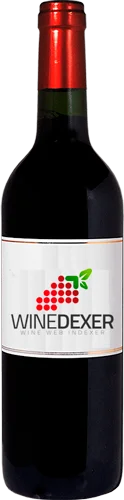
The Closerie de Belle-Poule is one of the best wineries to follow in Languedoc.. It offers 9 wines for sale in of Languedoc to come and discover on site or to buy online.
Looking for the best Closerie de Belle-Poule wines in Languedoc among all the wines in the region? Check out our tops of the best red, white or effervescent Closerie de Belle-Poule wines. Also find some food and wine pairings that may be suitable with the wines from this area. Learn more about the region and the Closerie de Belle-Poule wines with technical and enological descriptions.
How Closerie de Belle-Poule wines pair with each other generally quite well with dishes of beef, pork or game (deer, venison) such as recipes of pork chops with potatoes, sausages with kale or stuffed cabbage leaves.
Languedoc (formerly Coteaux du Languedoc) is a key appellation used in the Languedoc-Roussillon wine region of southern France. It covers Dry table wines of all three colors (red, white and rosé) from the entire region, but leaves Sweet and Sparkling wines to other more specialized appellations. About 75% of all Languedoc wines are red, with the remaining 25% split roughly down the middle between whites and rosés. The appellation covers most of the Languedoc region and almost a third of all the vineyards in France.
The typical Languedoc red wine is medium-bodied and Fruity. The best examples are slightly heavier and have darker, more savoury aromas, with notes of spice, undergrowth and leather. The Grape varieties used to make them are the classic southern French ones: Grenache, Syrah and Mourvèdre, often with a touch of Carignan or Cinsaut. The white wines of the appellation are made from Grenache Blanc, Clairette and Bourboulenc, with occasional use of Viognier, Marsanne and Roussanne from the Rhône Valley.
How Closerie de Belle-Poule wines pair with each other generally quite well with dishes of beef, lamb or spicy food such as recipes of beef bourguignon with cookéo, tomatoes, zucchini, potatoes stuffed moroccan style with... or chicken tajine with prunes.
Grenache noir is a grape variety that originated in Spain. It produces a variety of grape specially used for the elaboration of wine. It is rare to find this grape to eat on our tables. This variety of grape is characterized by medium to large bunches, and grapes of medium size. Grenache noir can be found in many vineyards: South West, Cognac, Bordeaux, Provence & Corsica, Languedoc & Roussillon, Rhone Valley, Loire Valley, Savoie & Bugey, Beaujolais.
How Closerie de Belle-Poule wines pair with each other generally quite well with dishes of pasta, vegetarian or poultry such as recipes of spaghetti with clams, quiche with bacon and gruyère cheese or basque chicken.
In the mouth the white wine of Closerie de Belle-Poule. is a .
Made of concrete, stainless steel, enamelled steel or wood (now fashionable again), the vat is an indispensable tool during the entire winemaking process. It is also used to mature certain wines that do not need to go into barrel, or to preserve them.
Planning a wine route in the of Languedoc? Here are the wineries to visit and the winemakers to meet during your trip in search of wines similar to Closerie de Belle-Poule.
Cabernet Franc is one of the oldest red grape varieties in Bordeaux. The Libourne region is its terroir where it develops best. The terroirs of Saint-Emilion and Fronsac allow it to mature and develop its best range of aromas. It is also the majority in many blends. The very famous Château Cheval Blanc, for example, uses 60% Cabernet Franc. The wines produced with Cabernet Franc are medium in colour with fine tannins and subtle aromas of small red fruits and spices. When blended with Merlot and Cabernet Sauvignon, it brings complexity and a bouquet of aromas to the wine. It produces fruity wines that can be drunk quite quickly, but whose great vintages can be kept for a long time. It is an earlier grape variety than Cabernet Sauvignon, which means that it is planted as far north as the Loire Valley. In Anjou, it is also used to make sweet rosé wines. Cabernet Franc is now used in some twenty countries in Europe and throughout the world.