The Clos Sauvage of Beaujolais

Clos Sauvage
The winery offers 7 different wines
4.0


Note - 1Note - 1Note - 1Note - 1Note - 0
Its wines get an average rating of 4.
It is ranked in the top 1932 of the estates of Beaujolais.
It is located in Beaujolais
Find the Clos Sauvage on Facebook

The Clos Sauvage is one of the best wineries to follow in Beaujolais.. It offers 7 wines for sale in of Beaujolais to come and discover on site or to buy online.
Top Clos Sauvage wines

Looking for the best Clos Sauvage wines in Beaujolais among all the wines in the region? Check out our tops of the best red, white or effervescent Clos Sauvage wines. Also find some food and wine pairings that may be suitable with the wines from this area. Learn more about the region and the Clos Sauvage wines with technical and enological descriptions.

The top sparkling wines of Clos Sauvage

Food and wine pairings with a sparkling wine of Clos Sauvage

How Clos Sauvage wines pair with each other generally quite well with dishes of beef, pork or rich fish (salmon, tuna etc) such as recipes of family potluck, peasant minestrone or salmon and avocado chirashi.

The best vintages in the sparkling wines of Clos Sauvage

  • 0With an average score of 4.00/5

The grape varieties most used in the sparkling wines of Clos Sauvage.

  • Chardonnay
  • Gamay

Discovering the wine region of Beaujolais

Beaujolais is an important wine region in eastern France, famous for its vibrant, Fruity red wines made from Gamay. It is located immediately South of Burgundy, of which it is sometimes considered a Part, although it is in the administrative region of Rhône. The extensive plantings of Gamay in this region make Beaujolais one of the few regions in the world that is so concentrated on a single Grape variety. Pinot Noir is used in small quantities in red and rosé wines, but in the name of regional identity, it is being phased out and will only be allowed until the 2015 harvest.

Although best known for its red wines, the region also produces white Beaujolais Blanc, from Chardonnay and Aligote. These two white wine varieties are also sometimes used in local red wines, in which they can make up to 15% of the Final blend. There are several forms of Beaujolais red wine: standard Beaujolais (including Beaujolais Supérieur), Beaujolais Villages and the Young, characterful Beaujolais Nouveau. The highest quality wines of the region are those of the ten Beaujolais crus - ten wine regions Long recognized as the best in the region.

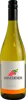
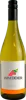
The top white wines of Clos Sauvage

Food and wine pairings with a white wine of Clos Sauvage

How Clos Sauvage wines pair with each other generally quite well with dishes of pasta, vegetarian or cured meat such as recipes of farfalle with gorgonzola, mushroom, bacon and gruyere quiche or basque chicken.

Organoleptic analysis of white wines of Clos Sauvage

In the mouth the white wine of Clos Sauvage. is a with a nice freshness.

The best vintages in the white wines of Clos Sauvage

  • 2019With an average score of 4.00/5
  • 0With an average score of 3.90/5

The grape varieties most used in the white wines of Clos Sauvage.

  • Chardonnay

Discover the grape variety: Carcajolo

The black Carcajolo is a grape variety originating from Italy. It produces a variety of grape specially used for wine making. It is rare to find this grape to eat on our tables. This variety of grape is characterized by medium-sized bunches and large grapes. The Carcajolo noir can be found cultivated in these vineyards: South West, Cognac, Bordeaux, Provence & Corsica, Rhone Valley.

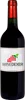
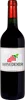
The top red wines of Clos Sauvage

Food and wine pairings with a red wine of Clos Sauvage

How Clos Sauvage wines pair with each other generally quite well with dishes of pasta, veal or pork such as recipes of farfalle with gorgonzola, sauté of veal with the moulinex cookeo or stuffed artichoke.

Organoleptic analysis of red wines of Clos Sauvage

In the mouth the red wine of Clos Sauvage. is a with a nice freshness.

The best vintages in the red wines of Clos Sauvage

  • 2019With an average score of 4.26/5
  • 0With an average score of 4.21/5

The grape varieties most used in the red wines of Clos Sauvage.

  • Gamay

The word of the wine: Cooked wine

In Provence, wine made from must cooked and reduced over a wood fire, traditionally consumed at Christmas time with the thirteen desserts.

Discover other wineries and winemakers neighboring the Clos Sauvage

Planning a wine route in the of Beaujolais? Here are the wineries to visit and the winemakers to meet during your trip in search of wines similar to Clos Sauvage.

Discover the grape variety: Chardonnay

The white Chardonnay is a grape variety that originated in France (Burgundy). It produces a variety of grape specially used for wine making. It is rare to find this grape to eat on our tables. This variety of grape is characterized by small bunches, and small grapes. White Chardonnay can be found in many vineyards: South West, Burgundy, Jura, Languedoc & Roussillon, Cognac, Bordeaux, Beaujolais, Savoie & Bugey, Loire Valley, Champagne, Rhone Valley, Armagnac, Lorraine, Alsace, Provence & Corsica.